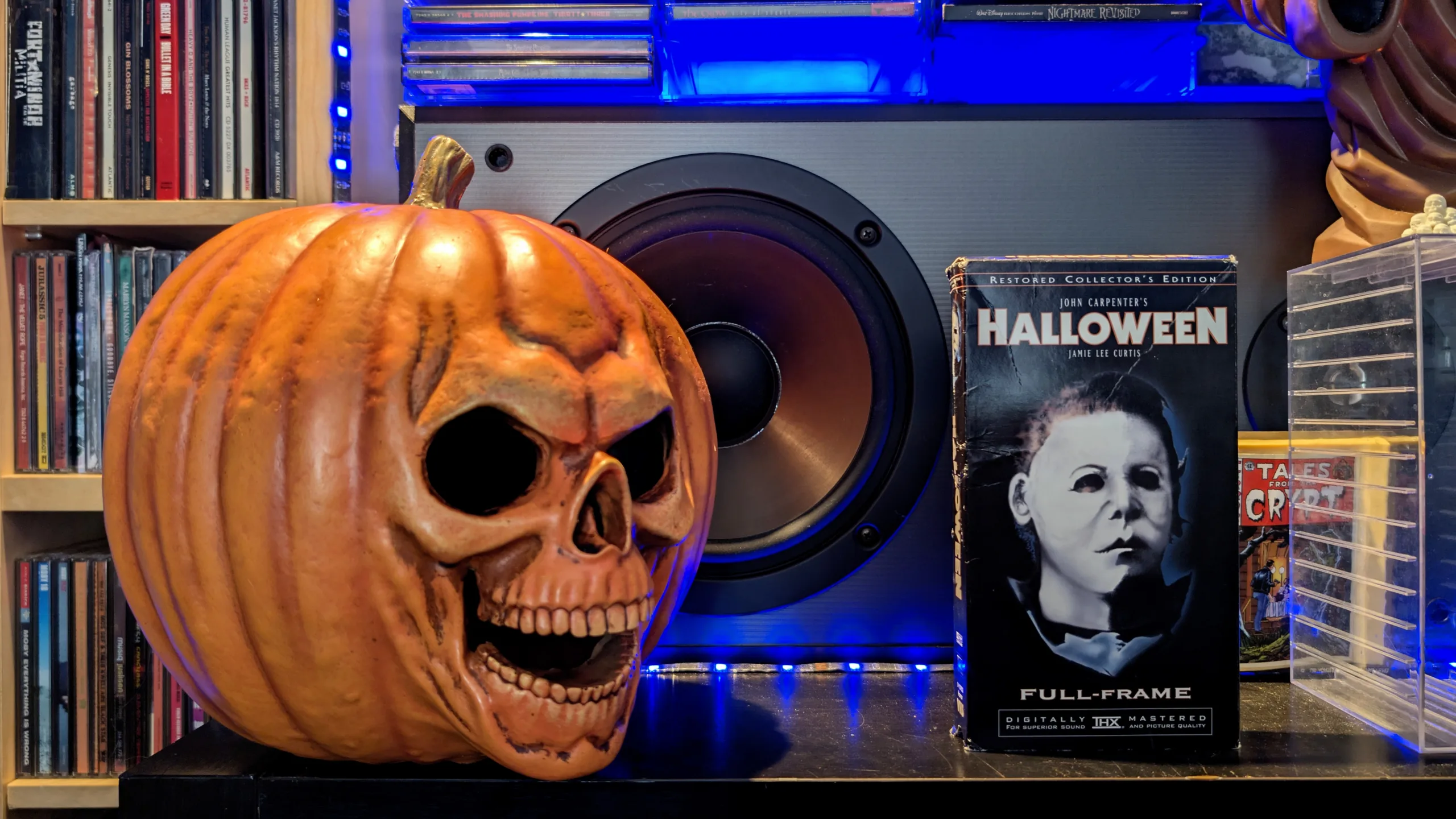
Before streaming trained us to skim, collector’s editions taught us to linger. Slipcovers, essays, restored transfers, commentaries — these aren’t trinkets. They’re the museum wings where horror gets the reverence it’s earned.
Further reading: Physical Media Is Memory You Can Hold · The Role of Nostalgia in Horror Fandom · House of 1000 Corpses: Collector’s Guide
Validation, Preservation, Pedestals
When a boutique label remasters a film, commissions new art, and packs a release with context, it’s a public verdict: this matters. Not because an algorithm said so — because the work deserves to be preserved and studied on its own terms.
Ritual, Not “Extras”
Sliding a disc from a glossy sleeve, paging through essays, diving into hours of features — these actions expand the movie’s borders. The edition becomes an extension of the narrative, a space to stand still and absorb the film’s world.
The Hunt Without Gatekeeping
A steelbook from Scream Factory, a limited Arrow Video box, a Vinegar Syndrome rescue — owning one isn’t about shutting people out. It’s about celebrating the chase and holding a piece of cultural history most won’t stumble across on a streaming homepage.
Memory x Restoration
A collector’s edition doesn’t overwrite your sun-bleached VHS memory of The Texas Chainsaw Massacre; it layers it. Nostalgia meets restoration, and the film feels newly immortal. That’s the same charge behind the physical-media rebellion and nostalgia-driven collecting.
Related reading: Physical Media Is Memory You Can Hold
Curate vs. Complete
Some collectors pursue every variant. Others build shelves that reflect the titles that shaped them (like me). Both approaches are personal — both transform films from disposable entertainment into artifacts.
Case Study: One Film, Many Lives
House of 1000 Corpses has multiplied across formats — DVDs, Blu-rays, anniversary editions, a rare VHS. Each release reframes the same film, proving how a single title can accrue meaning through design, features, and time.
Related reading: House of 1000 Corpses: Collector’s Guide
What to Look For (So the Edition Earns Its Space)
- Transfer & restoration notes: color timing, grain retention, approved masters.
- Audio options: original mixes, lossless tracks, commentary integrity.
- Contextual features: new interviews, archival docs, essays with real scholarship.
- Packaging that serves the film: reversible art, sturdy build, credits for illustrators.
- Practicalities: region coding, print run transparency, known QC fixes.
Why It Matters
Collector’s editions slow us down in a culture engineered for speed. They resist cultural decay by preserving context — not just the film, but the commentary, the craft, the paper trail of its life. In the hands of fans, horror becomes an archive we author ourselves.
Wrapping Up
Name the collector’s edition that changed how you saw the film — and why. Then choose the next one with intent. Let the features teach you something the thumbnail never could.
Explore next: The Role of Nostalgia in Horror Fandom · House of 1000 Corpses: Collector’s Guide
Leave a Reply