Author: Broke Boogeyman

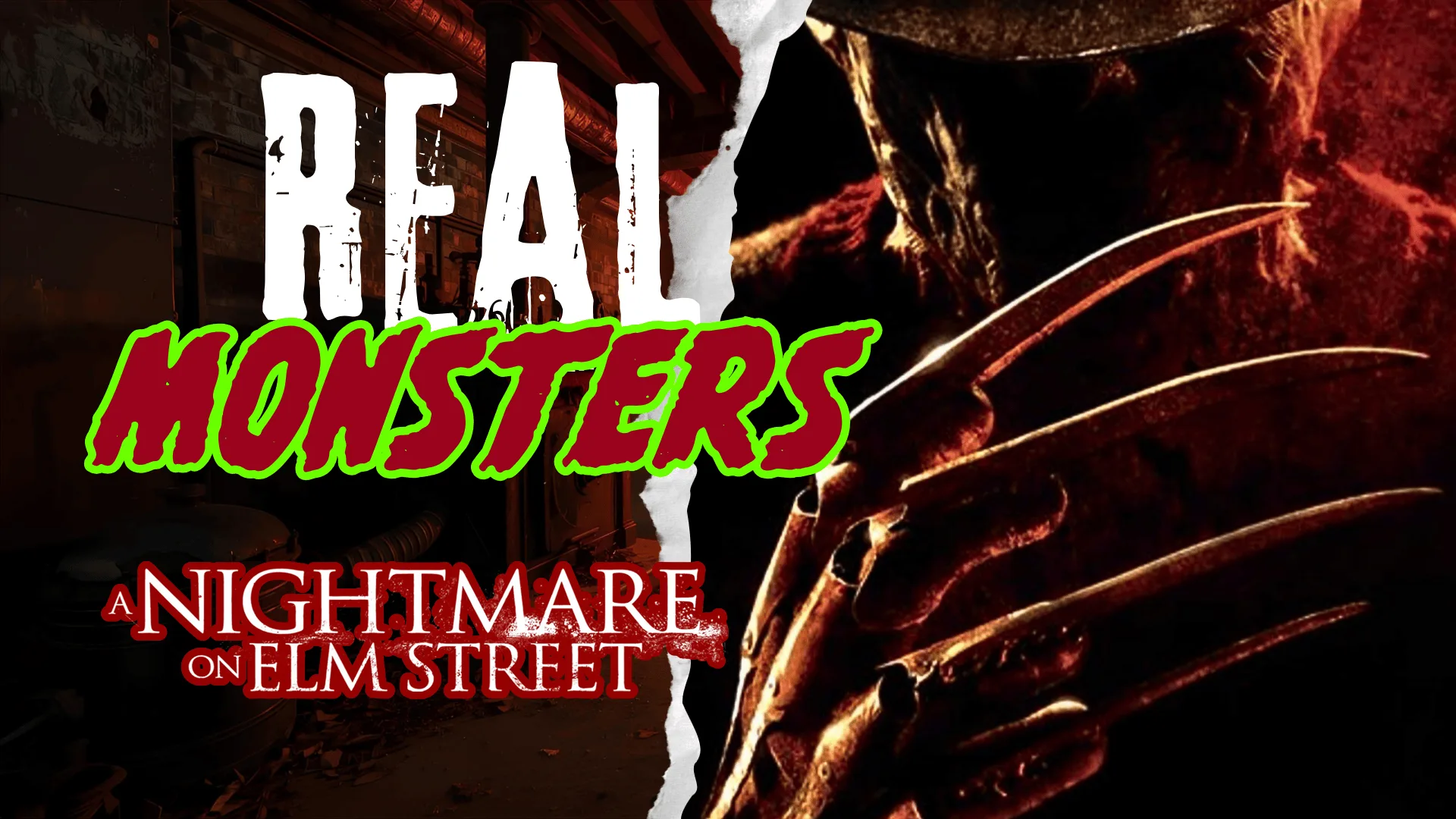
  • The 2010 Nightmare on Elm Street: Real Monsters in Plain Sight

    The 2010 Nightmare on Elm Street: Real Monsters in Plain Sight

    What if the most forgettable horror remake of the 2010s was secretly one of the most disturbing portrayals of real-world evil?

    The 2010 version of A Nightmare on Elm Street was dismissed by pretty much everyone. Critics hated it, fans hated it, and it was maligned for its grim tone, its heavy-handed CGI and, most of all, daring to replace the irreplaceable. – I want to make that clear. – The irreplaceable Robert Englund. It sits at a dismal 15% on Rotten Tomatoes and is often thrown on the pile of worst horror remakes ever made.

    But here’s the thing: in the rush to bury it, to just cast it aside as another failed product from the Platinum Dunes remake machine, I think we missed the point. This wasn’t really a film about a dream demon. It was a chilling story about the all-too-real monsters that hide in plain sight and the devastating trauma they leave behind.

    Now, let’s be clear: this is not a defense of the film’s quality. It is flawed, deeply so. But it is an exploration of its central, horrifying idea.

    The Crucial Change

    The filmmakers made one crucial change to Freddy Krueger’s backstory, a change that recontextualized the entire narrative. They reached back to Wes Craven’s original, discarded concept for the character and pulled it into light, and in doing so, they shifted the horror from a supernatural child murderer to a human child molester. This decision, while controversial and arguably mishandled, transformed Nightmare on Elm Street from a fantasy slasher into a grim parable about abuse, buried secrets and the trauma inflicted not just by a monster but by the community that tried to erase him.

    This is the story of how the 2010 remake, for all its faults, accidentally became a horror film about real monsters.

    Understanding the Original

    To really get what they were trying to do here, we have to rewind a bit and look at the original. Wes Craven’s 1984 masterpiece was a brilliant subversion of the slasher genre. It gave us Freddy Krueger, a filthy child murderer killed by a mob of vengeful parents after getting off on a technicality. His return as a dream-stalking boogeyman was a supernatural revenge plot against the parents using their kids as targets. The horror was fantastical. Robert Englund’s performance was terrifying, yeah, but it was also laced with his dark, charismatic wit that, in the sequels, would blossom into full-grown camp. He was a monster, but he was a movie monster.

    The 2010 remake strips all that away. In this version, Freddy Krueger, the groundskeeper at Bedham Preschool, wasn’t just a killer. He was a child molester who abused the film’s main characters when they were small children. And this change wasn’t just for shock value. It was an attempt to ground the story in a different kind of evil, one that’s far more tangible and, for a lot of people, far more terrifying.

    And here’s the wild part: this was actually Wes Craven’s original idea for the character back in the early 80s. It was a concept he backed away from because he didn’t want to look like he was exploiting a series of real-life child abuse cases that were all over the news at that time. The remake, free from those specific constraints, resurrected that idea, aiming for a Freddy with none of the comforting distance of fantasy. The producers wanted to take him back to his darkest roots, away from the wise-cracking icon he’d become.

    Everything Changes

    This one change completely alters the game. The conflict isn’t a simple revenge plot anymore. It becomes a horrifying extension of the original crime. Freddy isn’t just killing the children of his murderers. He’s continuing the torment of his own victims. The abuse didn’t end when he was burned alive, it just went dormant.

    This reframes everything. The Elm Street teens aren’t random targets. They’re survivors forced to reconfront the man who destroyed their childhoods.

    And that’s where Jackie Earl Haley’s performance comes in. It’s often criticized for lacking Englund’s charisma, but that’s the entire point of this thematic shift. His Freddy is sullen, joyless, without funny one-liners. He doesn’t take pleasure in his work with theatrical flair. His evil is just grim, pathetic and uncomfortably real. When he taunts his victims, it’s not with a clever pun, but with the chilling, possessive language of an abuser. He calls Nancy “little Nancy” and asks if she wants to play, weaponizing the memory of her stolen childhood. The horror here isn’t the jump scare, it’s the psychological violation.

    This change was, and still is, deeply controversial. A lot of fans felt it crossed a line, trading the beloved horror icon for a monster whose evil was too real, too sickening to be entertaining. The film was accused of making Freddy too evil, stepping into a territory that horror as escapism struggled with, and it’s a valid criticism. The film introduces this profound, real-world horror and then shoves it into the conventions of a studio slasher, which creates a jarring, really uncomfortable experience.

    But in doing that, it forces the question: when is the line between a fictional monster and a real one? The 2010 remake argues that the scariest monster isn’t born from fantasy, but the one that wears a human face.

    The Real Villains of Elm Street

    But here’s the thing: Freddy Krueger is the monster haunting their dreams, but he’s not the only villain on this Elm Street. There’s a deeper, more insidious evil in this town, and it’s embodied by the very people who were supposed to be the protectors—the parents.

    In both films, the parents are responsible for Freddy’s fiery death, but the remake fundamentally changes their motivation for the cover-up that follows, and in doing so, it paints a far more damning picture of adult complicity. In the 1984 film, the parents’ secret is their vigilante killing. They hide what they did from their kids, which leaves the teens vulnerable. Sure, their sin is violence and secrecy.

    The remake, though, adds a devastating new layer. The parents here aren’t just hiding their vigilante justice. They are actively trying to erase the memory of their children’s abuse. They seem to believe that if the children don’t remember being abused, it’s as if it never happened. This is the town’s real, unforgivable sin. It’s a mass gaslighting event.

    As the kids start having nightmares, they’re told they’re crazy. Their fragmented memories are dismissed as delusions. Nancy’s mother doesn’t just lie. She actively medicates her daughter to chemically suppress the truth. In a lot of ways this parental betrayal is more chilling than Freddy’s attacks. Freddy is an external threat that you can fight. But how do you fight your own parents when they’re telling you your reality is a lie?

    Trauma Made Literal

    This theme of repressed memory is absolutely central to the film. Trauma is about an event so overwhelming that the mind can’t process it. It gets buried, but it doesn’t go away. Nightmares are one of the most common symptoms of PTSD—the mind’s way of replaying the event to try and make sense of it. The film turns this psychological reality into a literal horror plot. The micro-sleeps, those moments where the dream world bleeds into reality, are a perfect visual metaphor for the intrusive flashbacks that plague trauma survivors. Their fight to stay awake isn’t just a fight against Freddy, it’s a fight against their own minds.

    The film even visualizes this. As Nancy and Quentin deprive themselves of sleep, they start to physically deteriorate. Dark circles under their eyes, blotchy skin. They look like they’re going through withdrawal. It’s a powerful parallel to how trauma survivors can turn to substance abuse to numb their pain. Their exhaustion is a physical manifestation of their psychological war.

    And for a good chunk of the film the parents’ lies are so effective that Nancy and Quentin start to doubt if Freddy was even guilty. They can’t find any evidence of his crimes, only the story that they were told. It leads them to wonder if he was an innocent man murdered by a mob now seeking a justifiable revenge. This moment of doubt is crucial. It speaks to the complex feelings of confusion and misplaced guilt that victims can experience when their abuse is denied by people in positions of authority.

    The movie does eventually confirm Freddy’s guilt by revealing his hidden cave and the photographic evidence of his crimes. But that period of uncertainty just underscores how powerful the parents’ deception was. They created a world where their own children were more inclined to believe in the innocence of their abuser than in the truth of their own experience.

    This conspiracy of silence is what gives Freddy his power. He thrives in the darkness of repressed secrets. The parents of Elm Street, trying to bury the past, created the perfect hunting ground for the monster to grow stronger. They weren’t just protecting a secret, they were cultivating a nightmare.

    A Metaphor With Claws

    So when you think about it, this version of Freddy is something else entirely. He’s more than a spirit of vengeance. He is a walking, claw-wielding metaphor for unresolved trauma. His power is tied directly to the psychological damage he inflicted when he was alive. The film basically argues that if trauma isn’t confronted, it doesn’t just haunt you, it can physically and fatally manifest.

    The dream world itself reinforces this. It’s not some alien dimension, it’s built from the broken pieces of his victim’s memories. The iconic boiler room isn’t just Freddy’s lair, it’s a site of trauma—the place where the abuse happened. The school hallways, the classrooms—these are the locations of their childhood, now twisted and corrupted by what he did there. When Nancy gets pulled into a dream, she ends up back at the preschool where Freddy is waiting. He weaponizes their own memories against them, turning the safe spaces of childhood into arenas of terror.

    The central rule of the franchise—if you die in your dreams, you die for real—takes on a new tragic meaning here. The deaths aren’t just supernatural slayings. They can be read as violent metaphors for the consequences of unaddressed trauma. It’s the ultimate self-destruction that can happen when the past becomes too much to bear.

    Think about the opening scene. Dean is tormented by nightmares and he tells Chris that they started after he began therapy to revisit his childhood. That’s a fascinating detail. It suggests that the act of starting to unearth the trauma is what made him vulnerable again. The monster was always there, but the process of remembering gave it form. His death, where he seems to slit his own throat, is ruled a suicide. To the outside world he’s just another troubled teen. Only his friends know a force from their shared past was responsible. It perfectly mirrors how the internal battles of a trauma sufferer are often invisible to everyone else.

    Facing the Nightmare

    Nancy and Quentin have become case studies in survival. Her journey is about uncovering the truth of her own past. It’s only when she fully accepts what happened to her that she can actually fight back. Her plan to defeat Krueger is a direct confrontation with her trauma. She decides to go to sleep, enter his world and pull him out into reality. That act of willingly entering the nightmare is symbolic of the therapeutic process of facing your demons.

    In the climax, she returns to the preschool in her dream, helpless, as Freddy reenacts the abuse. It’s a harrowing sequence that visualizes the horror of reliving a traumatic event, but this time she pulls him into the real world. She takes control. She strips him of his supernatural power, forcing the monster made of memory to face physical consequences. Her victory is only possible after she looks her trauma in the face and declares it won’t control her anymore. The monster is only truly vulnerable when it’s dragged out of the shadows of the subconscious and into the light.

    The Fumbled Execution

    And that’s the ultimate tragedy of 2010’s A Nightmare on Elm Street. It holds this genuinely terrifying and profound idea—a horror story grounded in the real-world trauma of child abuse—but it largely fumbles the execution. Hard. The film is a perfect example of a brilliant premise undermined by a lack of courage and an over-reliance on the tired conventions of its era.

    So why did a film with such potent premise fall so flat? The main problem is a conflict of interest at its core. The script wants to explore the dark, complex psychology of trauma, but the studio—Platinum Dunes, known for its slick, jump-scare-heavy remakes—needed to deliver a marketable slasher. The result is a movie at war with itself. It raises these deeply uncomfortable themes only to treat them with frustrating superficiality.

    The decision to make Freddy a child molester should have demanded a radical change in style, one focused on a slow-burn, dread and psychological horror. Instead, the film just defaults to loud, predictable jump scares and glossy, CGI-heavy dream sequences. That infamous scene where Freddy pushes through the wall above Nancy’s bed—a classic moment of practical surrealism in the original—is recreated with this slick, uninspired CGI that feels more like a video game cutscene. It robs the film of the gritty, dreamlike texture that made Craven so effective.

    On top of that, the character development is painfully thin. The script gives the characters this compelling shared backstory but fails to give them distinct personalities. Rooney Mara, who would go on to be a phenomenal actress, famously disliked her experience making this film, and you can feel that detachment on screen. The film tells us these characters are traumatized, but rarely makes us feel it. Their pain is a plot point, not a lived-in experience.

    But maybe the film’s biggest misstep was trying to have its cake and eat it too, with Freddy’s guilt. That subplot where Nancy and Quentin suspect Freddy might be innocent was just an unnecessary and unconvincing detour. It feels like it’s only there to pad the runtime and create false tension. A braver film might have fully committed to that ambiguity. An even braver film would have just cut it entirely and trusted its core premise. By confirming his guilt so late in the game, it just feels like a cheap narrative trick.

    Ultimately, the 2010 remake is a frustrating cinematic artifact. It’s a film that stumbled upon a truly subversive and modern take on a classic monster, but lacked the vision or the nerve to see it through. The core idea—that real monsters don’t need supernatural powers and that the scars they leave are the true source of horror—is more frightening than anything in the original franchise. But the film is too timid, too stuck in the remake formula, to do that idea justice. It’s a glimpse of a masterpiece of psychological horror buried inside a mediocre slasher flick.

    What Do You Think?

    But what do you guys think? Was the decision to change Freddy’s backstory a brave attempt to explore darker themes, or was it a misguided betrayal of a horror icon? Does the film’s focus on trauma make it a more terrifying experience for you, or does the flawed execution just ruin the whole thing?

    In the End

    The 2010 remake lives in this strange purgatory. It’s not the celebrated classic the original is, but it’s not just a forgettable cash grab either. It’s a film defined by a single audacious choice—to turn its villain from fantasy figure into a symbol of real-world evil.

    By making Freddy Krueger a child molester, the filmmakers tapped into a primal fear far deeper than any dream demon. They crafted a story not just about murder, but about the theft of innocence and the poison of secrets. The film explores, however clumsily, how trauma works as a nightmare that blurs the line between past and present, and as a monster that can only be beaten when it’s dragged kicking and screaming into the light. It makes the case that the most enduring monsters aren’t the ones that haunt our dreams, but the ones who create them.

    And maybe that’s why it lingers. Despite everything. It forces us to ask a deeply unsettling question: Are we more afraid of the monster that comes for us in our sleep or the one that looks just like a friendly neighbor, a trusted groundskeeper, a man who tells you to keep a secret?

    Further reading:
  • The Devil’s Rejects — The Outlaw Sequel That Makes You Mourn Maniacs

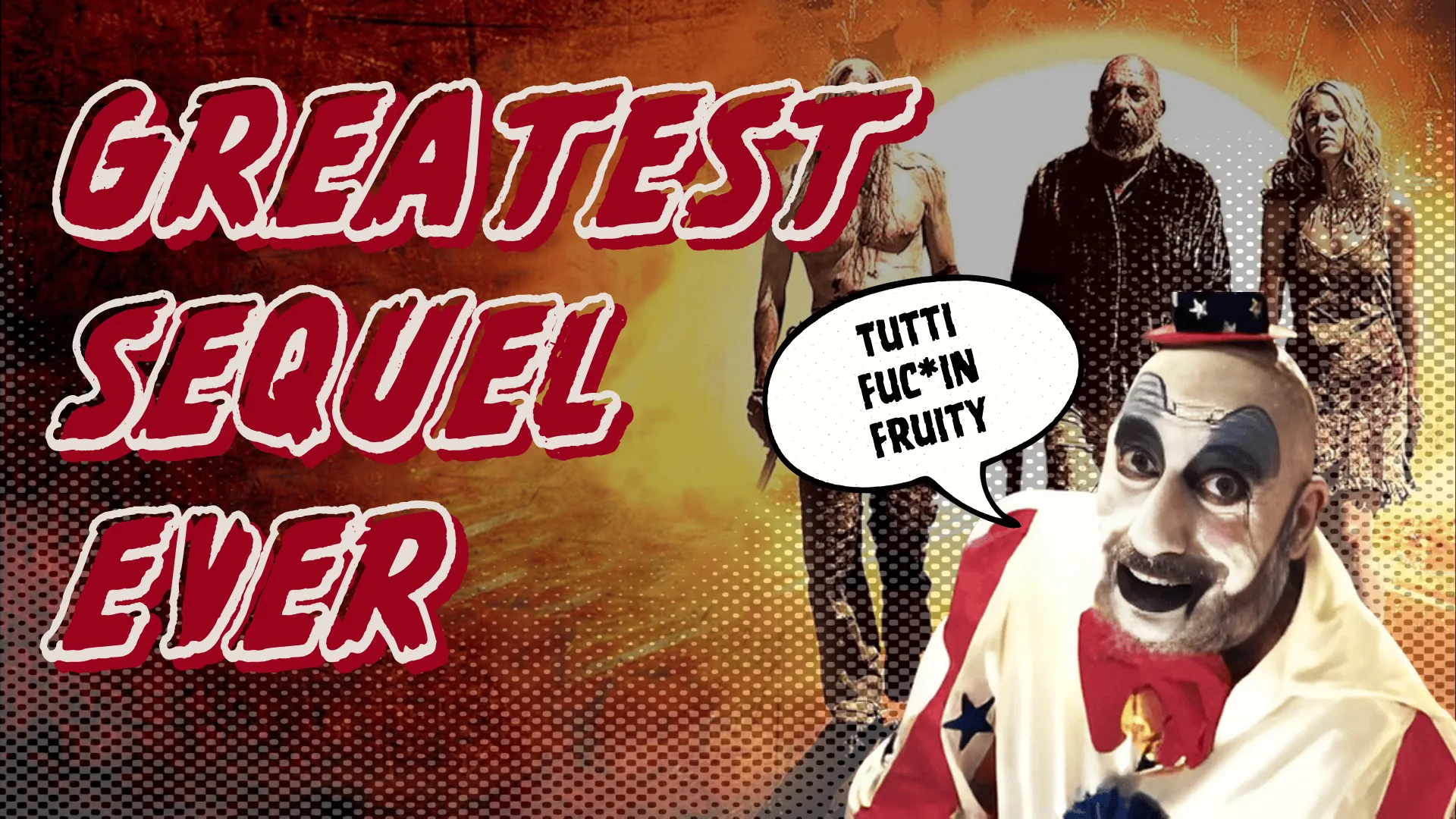
    The Devil’s Rejects — The Outlaw Sequel That Makes You Mourn Maniacs

    This The Devil’s Rejects analysis argues the film is the greatest horror sequel of its era: a sun-scorched American nightmare where three maniacs refuse to lie while the country around them does. It burns the rulebook and dares you to care. Twenty years on, it still hits back—harder, colder, more honest—because it finds beauty inside the decay and exposes the hypocrisy wrapped around it.

    Further reading:
    House of 1000 Corpses — Collector/Context Guide
    FearDotCom (2002): The Internet’s First Cursed Prophecy
    Physical Media Hub

    The Devil’s Rejects Analysis: Why This Might Be the Greatest Horror Sequel

    Most sequels chase safer versions of the first hit. Rejects sprints the other way. It abandons the haunted-house carnival of Corpses for a dust-blasted outlaw epic, stripping the genre to sinew and nerve. No final girl. No moral center. Just characters who refuse to lie about who they are—and a country that can’t say the same.

    Burn the Rulebook (Road Movie, Not Slasher)

    Zombie reshapes the frame: motels and highways instead of basements and lairs. The camera moves like a documentary that stumbled into an execution. Spaulding cons his way through breakfast. Otis sermonizes at gunpoint. Baby laughs where most people pray. The tension isn’t “who dies next?”—it’s “how far will honesty take the damned?”

    Related reading: House of 1000 Corpses guide

    Sun-Bleached Craft (1970s Texture, American Violence)

    The film looks lived-in: crash zooms, lens flares, grime in every corner. It honors the tactile grammar of the 1970s without cosplay. The soundtrack isn’t needle-drop nostalgia; it’s character. Classic rock doesn’t soothe here—it indicts. When the music swells, it isn’t comfort. It’s complicity.

    For Collectors: Physical Media Notes (Outlaw Sequel Breakdown)

    If you’re building a shelf that tells the full story, start here:

    • Unrated Cut — pushes the edges and clarifies the film’s intended temperature.
    • Rob Zombie Commentary — a straight-line map to the intent.
    • “30 Days in Hell” Documentary — a feature-length anatomy of process and pressure.
    • Soundtrack/Score Editions — essential context for how this film thinks about America.

    The Devil’s Rejects – 4k Steelbook: https://amzn.to/3JUoZ7K

    The “Free Bird” Reckoning (Finale Breakdown)

    The finale is operatic without lying to you. Three maniacs drive into gunfire as if freedom is a direction you can point a car. We mourn—not because they’re redeemed, but because they’re consistent in a world built on acceptable violence and polite masks. It’s Greek tragedy on an American highway.

    The Living Spine of Horror: Why It Matters

    Horror endures when it names what a culture refuses to see. The Devil’s Rejects names it: the myth of the “good guy,” the ease of institutional cruelty, the seduction of spectacle. It’s not a defense of maniacs; it’s a cross-examination of everyone else. That’s why it lingers. That’s why it hurts. This The Devil’s Rejects analysis exists to make that tension unavoidable.

    Wrapping Up: Watch, Share, Argue

    Watch the video above, then tell me where Rejects lands in your Top 5 horror sequels—and why. If it doesn’t take the crown, make your case. I’ll feature the sharpest response in a future post. Next up: 3 From Hell—what it adds, what it breaks, and what the mythology costs.

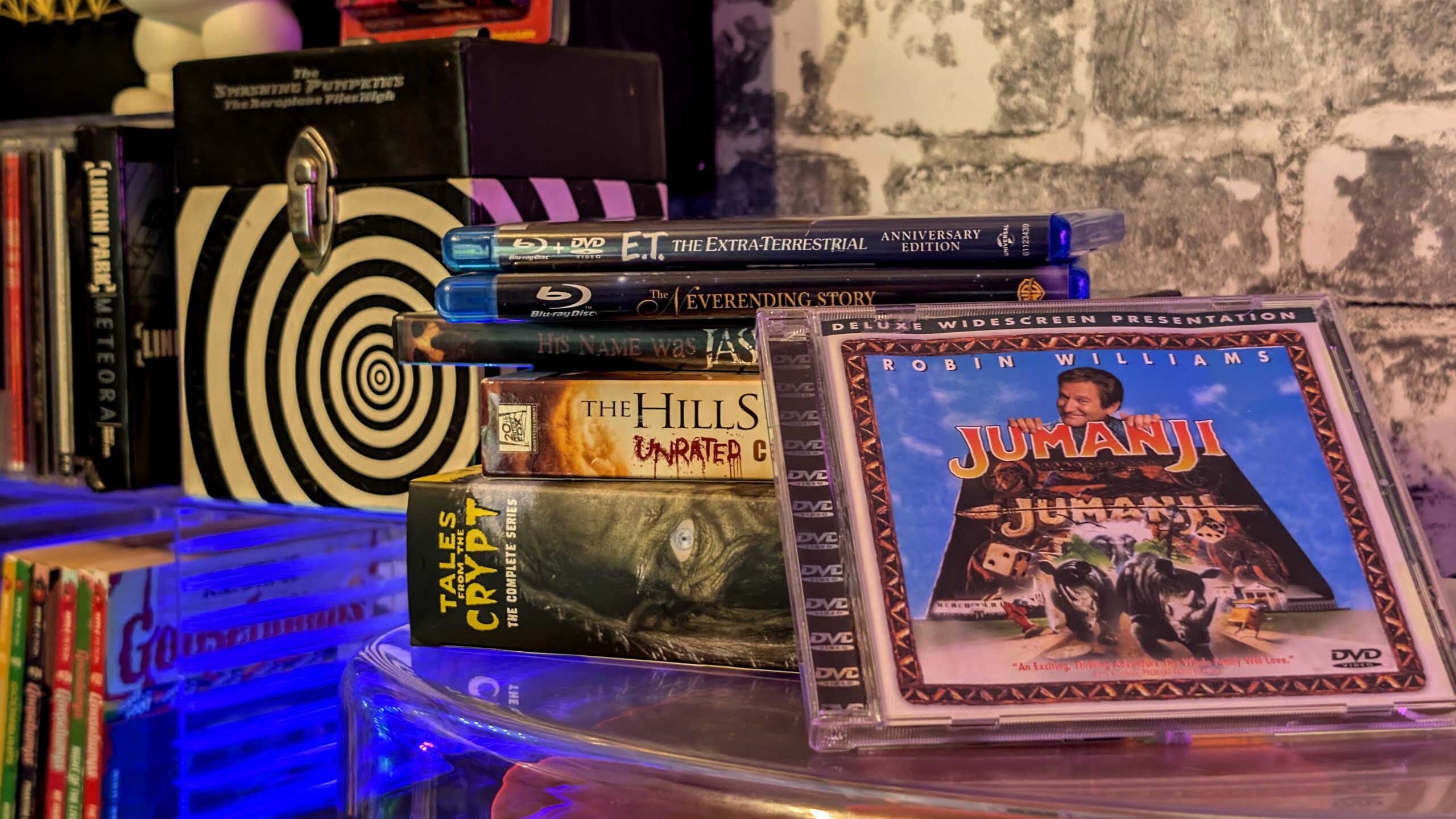
  • How to Start Your Own Horror Memorabilia Collection on a Budget

    How to Start Your Own Horror Memorabilia Collection on a Budget

    You don’t need a limitless wallet to collect horror — you need intent. Start with memory, not money. Curate pieces that anchor you to the nights that made you, and let the rest fall away.

    Further reading: Physical Media Is Memory You Can Hold · The Role of Collector’s Editions in Horror Fandom · The Nostalgia Factor


    Pick Your Lane (So You Don’t Drown)

    Define a tight scope before you spend a dollar.

    • By era: “’80s VHS commons,” “’90s teen slashers,” “2000s unrated cuts.”
    • By format: tapes only, early DVDs with commentaries, soundtracks, posters.
    • By franchise/director: one series, one auteur, one subgenre.
      Write your lane on a note in your wallet. If a find doesn’t fit, walk away.
      Related reading: The Nostalgia Factor

    Set Simple Boundaries

    A budget focuses you — it doesn’t cage you.

    • Monthly cap: Pick a number you won’t exceed.
    • Rule of three: Only buy if it hits at least 1 of 3: personal memory, upgrade in quality, or meaningful extras/package.
    • One-in, one-out (optional): Keep shelves intentional, not swollen.

    Where to Hunt (Without Overpaying)

    • Thrift/secondhand: Weekday mornings and just after restocks. Check electronics bins for tossed tapes.
    • Flea markets & estate sales: Ask for “media boxes” — sellers often bundle cheap.
    • Library sales: Ex-rental DVDs with great features; bring cash and patience.
    • Local online: Facebook Marketplace, Craigslist, community groups. Search “VHS,” “DVD lot,” “movie posters,” “horror.”
    • Conventions/swap meets: Last-hour bargaining and multi-item bundles stretch dollars.
    • Record & used-book shops: Soundtracks, lobby promos, and poster reprints for wall-ready wins.

    What to Buy First (High-Impact, Low-Cost)

    • Tapes with cultural memory: The Lost Boys, A Nightmare on Elm Street, Scream — common, affordable, nostalgic.
    • DVDs with real features: Commentaries, behind-the-scenes docs, unrated cuts that streaming ignores.
    • Posters & flats: Reprints are fine if they tell your story. Use acid-free backers and sleeves.
    • Soundtracks & promos: CD/cassette scores, theatre handouts, retailer mini-posters — cheap, evocative, display-friendly.
      Related reading: The Art of Horror Movie Poster Design in the ’80s & ’90s

    Condition & Authenticity (Quick Checks)

    • Tapes: Inspect the clear window for mold, warped reels, or stuck tape. Spin reels gently with a pen.
    • Discs: Check for scratches and disc decay (pinholes/bronzing). Confirm the correct aspect ratio and audio on the case.
    • Posters: Look for theater stamps, fold lines, and paper stock. Reprint isn’t a sin — misrepresentation is.
    • Boxes & slips: Favor sturdy build, credited artwork, and accurate specs over hype stickers.

    Care That Saves You Money Later

    • Storage: Cool, dry, dark. Avoid basements/attics (unless finished, of course).
    • Tapes: Keep upright; don’t rewind to absolute zero — leave a little leader out.
    • Discs: Poly sleeves or keep in original cases; never stack loose.
    • Paper: Acid-free backers, Mylar sleeves; no tape on edges, ever.

    Trade-Up Without Becoming a Flipper

    • Keep one sentimental copy and one upgrade if needed; donate or trade duplicates for store credit.
    • Log what you own (notes app is fine). Track upgrades so you don’t re-buy the same “deal.”

    Negotiation That Works (and Feels Good)

    • Be polite, bundle items, and offer a fair cash price.
    • Ask, “Any more horror in the back?” You’ll be surprised how often there is.
    • If the price is firm and outside your budget, leave your number and your lane. Deals find the prepared.

    Micro-Checklist at the Bin

    • Does it fit my lane?
    • Is the condition acceptable for the price?
    • Does it add memory, quality, or context?
      If it’s not a yes on one of those, it’s a no.

    A Starter Hunt List (All typically <$10)

    • 1–2 iconic commons on VHS (’80s/’90s)
    • 1 DVD with a legit commentary track
    • 1 poster reprint you’ll actually hang
    • 1 soundtrack (CD/cassette) from a favorite title
    • 1 oddball promo (theater handout, retailer mini)
      Five pieces, one shelf, instant momentum.

    Case Study Energy

    Curious how one film can branch into dozens of meaningful artifacts? See how House of 1000 Corpses multiplies across formats and editions.
    Related reading: House of 1000 Corpses: Collector’s Guide


    Why It Matters

    Budget collecting isn’t about scarcity worship — it’s about stewardship. You’re preserving memory against cultural decay, turning speed culture into ceremony, and building an archive that explains who you are and how these films found you.


    Wrapping Up

    Start small. Stay personal. Buy the copy that tells your story, not the one an algorithm recommends. When you land your first five pieces, show me — we’ll plan smart upgrades from there.
    Explore next: The Role of Collector’s Editions in Horror Fandom · Physical Media Is Memory You Can Hold

  • The Nostalgia Factor: How Collecting Connects Us to the Past

    The Nostalgia Factor: How Collecting Connects Us to the Past

    Nostalgia isn’t just a feeling — it’s a tether. The rooms we grew up in, the sleepovers we shouldn’t have survived, the video-store aisles that felt like portals — collecting plugs us back into that current. When we hold a tape or flip a booklet, we’re not handling plastic. We’re handling time.


    Memory Made Tangible

    A weathered A Nightmare on Elm Street tape isn’t just a movie; it’s the sound of late-night laughter, the hush when the lights go out, the first time fear felt electric. Collecting turns those moments into objects — anchors you can reach for when everything else moves too fast.

    Symbols We Keep Closed (On Purpose)

    That shrink-wrapped Scream VHS might never be opened — and that’s the point. It stands for the first time you saw it, the friends you saw it with, the era it branded into your bones. Some items we watch; some we remember with. Both are sacred.

    Your Shelf Is an Autobiography

    A collection is a map of who you became: the titles that rewired your taste, the ones that terrified you, the ones that taught you what horror could be. Lined up on a wall, they read like chapters — not content, but milestones.

    Beyond Discs: The Ephemera That Haunts

    Posters, promo trinkets, rental cases and slipcovers — the paper and plastic that built horror’s visual language. These artifacts remind us horror is an experience: the lobby glow, the clerk’s recommendation, the cover you weren’t allowed to rent but stared at anyway.

    Community in the Hunt

    Nostalgia is deeply personal, but the hunt is communal. Swapping leads, trading duplicates, posting “shelfies” — we keep each other’s pasts alive. The thrill of finding a long-lost edition isn’t just “score!”; it’s “someone else saved this for me.”

    Resistance to Cultural Decay

    Streaming shuffles, edits, and forgets. Nostalgia-driven collecting resists that churn. Each kept tape, each definitive disc says: this story stays. This context survives. We’re not renting memory from a server; we’re stewarding it.


    Why It Matters

    Nostalgia doesn’t trap us in yesterday; it explains how we got here. By collecting, we preserve more than films — we preserve the way they felt when we first pressed play. That feeling is the spine that keeps horror standing upright through cultural decay.


    Wrapping Up

    Pick one object that still time-warps you — a tape, a poster, a battered case — and tell me the story it holds. Then choose one new piece with intent. Let your shelf keep writing your autobiography.
    Explore next: Physical Media Is Memory You Can Hold · Poster Design in the ’80s & ’90s

  • The Value of Physical Media in the Streaming Era

    The Value of Physical Media in the Streaming Era

    Streaming promised convenience. But horror doesn’t live on convenience — it lives on permanence, presence, and the ritual of choosing. When titles vanish overnight and mixes get “updated” without a word, a disc on your shelf becomes more than a format. It becomes proof.

    Further reading: Physical Media Is Memory You Can Hold · The Role of Collector’s Editions in Horror Fandom · The Art of Horror Movie Poster Design in the ’80s & ’90s


    The Promise vs. the Price of Convenience

    Licensing battles. Vanishing catalogs. Compressed audio and “silent” edits. The streaming carousel moves fast — faster than history can keep up. What looks like abundance is often rented access with a timer you can’t see.
    Related reading: Physical Media Is Memory You Can Hold

    Ownership Beats Access

    A disc doesn’t flinch when contracts expire or servers blink. You control the cut, the aspect ratio, the audio mix — not a silent patch or an algorithm. Ownership means the film exists on your terms, not a quarterly report’s.

    Security, Ritual, Authenticity

    Speed is only a feature until it erases meaning. Sliding a disc from a slipcover, opening a booklet, choosing commentary over autoplay — these small decisions deepen the watch. They slow us down in a culture engineered to skim.

    Boutique Labels as Preservation Engines

    Arrow, Scream Factory, Vinegar Syndrome, and the rest do more than ship nice packages. They restore, commission scholarship, and document context — the paper trail that streaming can’t be bothered to keep. That context is part of the film’s life.

    Case File: Horror as Resistance

    Horror fans build personal archives because the genre is forever being “cleaned up” or sidelined. A limited steelbook, a definitive 4K, the elusive tape that never hit a service — each item is a refusal to let cultural decay decide the canon.
    Related reading: The Role of Collector’s Editions in Horror Fandom

    A Practical Buying Checklist

    • Transfer & master: who oversaw it, grain integrity, color timing notes.
    • Audio: original mixes preserved, lossless options, commentary fidelity.
    • Features that matter: new interviews, archival docs, booklet essays with real credits.
    • Packaging & print run: durable build, reversible art, transparency on quantities.
    • Region & QC: region codes, known fixes or replacement programs.

    The Living Spine of Horror (Why It Matters)

    Physical media isn’t nostalgia for plastic; it’s stewardship. In a system that edits, rotates, and deletes, collectors become the custodians — preserving not just movies but the context that makes them endure.


    Wrapping Up

    Pick one title the platforms keep losing or altering. Buy the best edition you can. Watch it with the features. Then tell me what you learned that a thumbnail never would.
    Explore next: Collector’s Editions in Horror Fandom · Poster Design in the ’80s & ’90s

  • The Role of Collector’s Editions in Horror Fandom

    The Role of Collector’s Editions in Horror Fandom

    Before streaming trained us to skim, collector’s editions taught us to linger. Slipcovers, essays, restored transfers, commentaries — these aren’t trinkets. They’re the museum wings where horror gets the reverence it’s earned.

    Further reading: Physical Media Is Memory You Can Hold · The Role of Nostalgia in Horror Fandom · House of 1000 Corpses: Collector’s Guide


    Validation, Preservation, Pedestals

    When a boutique label remasters a film, commissions new art, and packs a release with context, it’s a public verdict: this matters. Not because an algorithm said so — because the work deserves to be preserved and studied on its own terms.

    Ritual, Not “Extras”

    Sliding a disc from a glossy sleeve, paging through essays, diving into hours of features — these actions expand the movie’s borders. The edition becomes an extension of the narrative, a space to stand still and absorb the film’s world.

    The Hunt Without Gatekeeping

    A steelbook from Scream Factory, a limited Arrow Video box, a Vinegar Syndrome rescue — owning one isn’t about shutting people out. It’s about celebrating the chase and holding a piece of cultural history most won’t stumble across on a streaming homepage.

    Memory x Restoration

    A collector’s edition doesn’t overwrite your sun-bleached VHS memory of The Texas Chainsaw Massacre; it layers it. Nostalgia meets restoration, and the film feels newly immortal. That’s the same charge behind the physical-media rebellion and nostalgia-driven collecting.
    Related reading: Physical Media Is Memory You Can Hold

    Curate vs. Complete

    Some collectors pursue every variant. Others build shelves that reflect the titles that shaped them (like me). Both approaches are personal — both transform films from disposable entertainment into artifacts.

    Case Study: One Film, Many Lives

    House of 1000 Corpses has multiplied across formats — DVDs, Blu-rays, anniversary editions, a rare VHS. Each release reframes the same film, proving how a single title can accrue meaning through design, features, and time.
    Related reading: House of 1000 Corpses: Collector’s Guide

    What to Look For (So the Edition Earns Its Space)

    • Transfer & restoration notes: color timing, grain retention, approved masters.
    • Audio options: original mixes, lossless tracks, commentary integrity.
    • Contextual features: new interviews, archival docs, essays with real scholarship.
    • Packaging that serves the film: reversible art, sturdy build, credits for illustrators.
    • Practicalities: region coding, print run transparency, known QC fixes.

    Why It Matters

    Collector’s editions slow us down in a culture engineered for speed. They resist cultural decay by preserving context — not just the film, but the commentary, the craft, the paper trail of its life. In the hands of fans, horror becomes an archive we author ourselves.


    Wrapping Up

    Name the collector’s edition that changed how you saw the film — and why. Then choose the next one with intent. Let the features teach you something the thumbnail never could.
    Explore next: The Role of Nostalgia in Horror Fandom · House of 1000 Corpses: Collector’s Guide

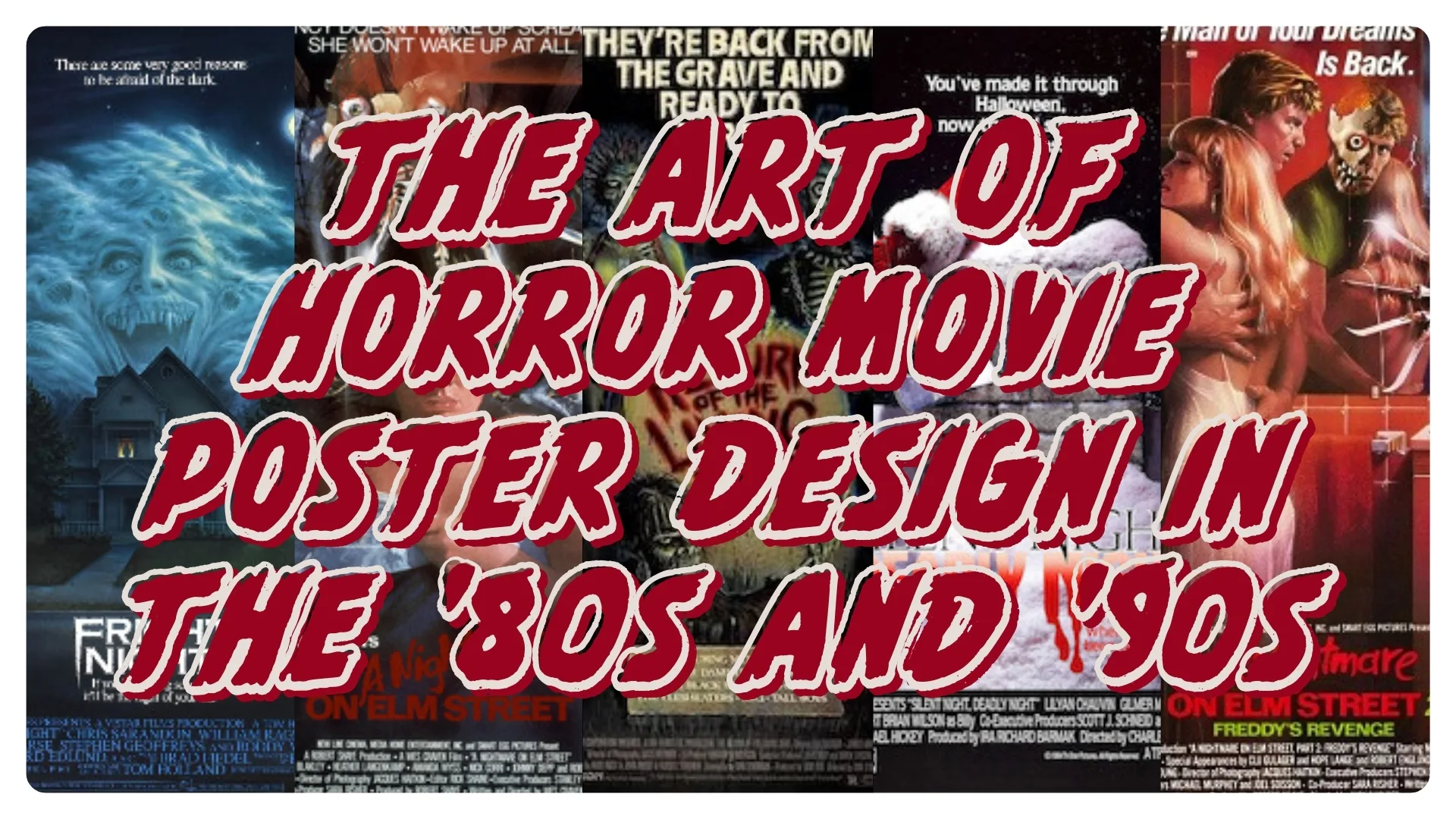
  • The Art of Horror Movie Poster Design in the ’80s and ’90s

    The Art of Horror Movie Poster Design in the ’80s and ’90s

    Before streaming thumbnails and endless scrolling, horror lived and died by its posters. One image — bold, painterly, unapologetically lurid — could stalk your imagination from the theater lobby to the video store aisle. These weren’t just ads. They were invitations to danger.

    Further reading: Physical Media Is Memory You Can Hold · The Role of Nostalgia in Horror Fandom · Start a Horror Memorabilia Collection on a Budget


    Painterly Mythmaking: The ’80s

    In the 1980s, illustration reigned. Artists like Drew Struzan and Enzo Sciotti didn’t sell plots — they sold myth. A single composition could carry a film’s entire temperature: Freddy’s blades tearing the night, Jason’s silhouette carved from moonlight, logotypes that felt like warnings. You didn’t need the movie to feel the movie.
    Related reading: Physical Media Is Memory You Can Hold

    Lobbies, Aisles, and the Ritual of Choosing

    Theaters and video stores were galleries of menace. One-sheets glowed behind glass; clamshells and sleeves echoed the same promises. You studied brushstrokes, type, and negative space like clues. Selection was ritual — a slow draw toward the title that owned your pulse. The poster did the first kill; the film finished the job.

    Artifacts With Scars

    For collectors, posters outgrew marketing. Fold lines, tack holes, sun-fade, theater stamps — every scar became provenance. Hanging one wasn’t décor; it was declaration. Like a VHS spine, a poster is a fixed point in your personal timeline — the night you first pressed play, the friend who swore they “weren’t scared,” the sleep you didn’t get.

    The ’90s Shift: Photographic Precision

    By the ’90s, horror’s face changed — literally. Out went paint; in came cool photography, glassy gradients, tight typography. Think Scream’s wide-eyed close-up or the iconic ensemble “floating heads” that lined mall multiplexes. Less painterly, more commercial — but no less formative. Those images framed a generation’s coming-of-age in widescreen anxiety.

    Two Eras, One Pulse

    Today’s collectors chase both: painted ’80s one-sheets and glossy ’90s studio campaigns. One leans mythic, the other clinical; both preserve a specific feeling of being chosen by a movie before the credits rolled. That heartbeat — memory made physical — is the same energy driving the broader physical-media rebellion.
    Related reading: The Role of Nostalgia in Horror Fandom

    Posters vs. Thumbnails

    Posters world-build; thumbnails sort. A poster gives you scale, texture, tone — a prelude you can live with on a wall. A thumbnail gives you a square. In an ecosystem engineered for speed, owning the original art (folded or rolled, scars intact) is an act of resistance against cultural decay. It says horror deserves more than a 300-pixel pitch.


    Why It Matters

    Horror’s posters make the genre legible at a glance — the mask, the blade, the scream, the font that looks like it might cut you. They’re not souvenirs; they’re a visual canon. Preserving them keeps the lineage unbroken: the myths of the ’80s, the cool menace of the ’90s, and the way both still shape what we fear now.


    Wrapping Up

    If a single poster still lives in your head — name it, and tell me why. Then, if your walls are bare, start with one piece that defined you. Hang it. Let it change the room.
    Explore next: Physical Media Is Memory You Can Hold · Start a Horror Memorabilia Collection on a Budget

  • Why Physical Media Still Matters in the Digital Age

    Why Physical Media Still Matters in the Digital Age

    Physical Media Is Memory You Can Hold

    In an age where everything streams and catalogs shift overnight, there’s power in holding the real thing — a disc, a tape, a sleeve meant to be lived with, not scrolled past. Physical media isn’t dead. It’s alive in the hands of collectors and archivists who refuse to let memory be reduced to bandwidth.

    Further reading: The Role of Nostalgia in Horror Fandom · The Art of Horror Movie Poster Design in the ’80s & ’90s · House of 1000 Corpses: Collector’s Guide


    Permanence Over Permission

    Streaming is a lease. Rights expire, libraries evaporate, and the films that shape us vanish behind contracts we can’t see. A VHS spine, a Blu-ray slipcover, a steelbook with alternate art — they don’t disappear when a platform decides they’re not profitable. They wait. They persist.

    Presence and Ritual

    Playback becomes ceremony. Sliding a disc into a tray, rewinding tape, flipping liner notes — small gestures that slow time and give weight to the act of watching. You don’t background-play a movie you chose to pull off the shelf. You commit to it.

    The Collector’s Impulse

    For some, it’s the hunt: misprints, limited runs, boutique restorations that streaming will never replicate. For others, it’s biography — the first rental card, the poster on the wall in ’95, the DVD worn thin in college. Formats become artifacts; artifacts become a map of who we were when we first pressed play.
    Related reading: Poster Design in the ’80s & ’90s

    Convenience Has a Cost

    Algorithms simplify choice but centralize power. When you let the machine decide what’s available, you surrender control. Physical media is refusal — a personal archive that says, “I decide what stays.”

    The Object’s Story

    Faded rental stickers, booklets tucked into trays, feature-length commentaries and behind-the-scenes docs lost to streaming — the object carries its own narrative. That narrative is part of film history, and history shouldn’t be parked on servers that can blink out overnight.

    Horror’s Shelf Life

    Horror thrives in the tactile. Grime, grain, poster grit — the ephemera that boutique labels resurrect with care. One film can live multiple lives across formats; House of 1000 Corpses is proof, multiplying through DVDs, Blu-rays, steelbooks, and that elusive VHS.
    Related reading: House of 1000 Corpses: Collector’s Guide


    Why It Matters

    Physical media protects more than movies; it protects the context that gives them meaning. Preservation isn’t nostalgia for its own sake — it’s cultural memory against cultural decay. When we build shelves, we’re not hoarding plastic. We’re maintaining access, authorship, and history on our own terms.


    Wrapping Up

    Physical media is memory you can hold — a rebellion you can touch. If this resonates, spend a night with something from your shelf. Read the booklet. Watch the commentary. Then tell me what detail you found that streaming left behind.
    Explore next: Nostalgia in Horror Fandom · Poster Design ’80s/’90s

  • The Rules of Survival: How Horror Defines Its Heroines

    The Rules of Survival: How Horror Defines Its Heroines

    Why the Final Girl Matters

    Friends, welcome back to the Broke Boogeyman blog — where horror isn’t just blood on the screen, it’s the mirror in the dark. Around here we don’t just consume movies, we dissect them. We pull apart the rules, the strategies, the unspoken truths about what makes you live or die when the maniac comes calling.
    And no rule matters more than the one that defines the Final Girl.

    The Final Girl isn’t luck. She isn’t randomness. She’s the sum of choices, instincts, and grit under impossible pressure. Horror doesn’t just kill — it tests. And the Final Girl is the one who passes the exam, even when the questions are written in blood.


    The Rules of Survival

    Rule One: Adapt or Die

    Every Final Girl worth the name has a moment when the world tilts sideways. The rules of reality collapse. Grace in Ready or Not (ranked here) discovers her in-laws want to sacrifice her to Satan. Erin in You’re Next (see the ranking breakdown) realizes the masked intruders aren’t random maniacs — they’re part of a coordinated hit.
    And in those moments, they don’t freeze. They adapt.

    Key examples

    • Grace: rips her gown, uses the mansion’s layout and tools against her hunters.
    • Erin: sets booby traps and turns the house into a weaponized maze.

    Takeaway: Horror punishes the passive. The Final Girl lives because she refuses to stay that way.


    Rule Two: Know Your Enemy

    Ginny Field didn’t have a weapon powerful enough to stop Jason Voorhees. But she had something better — insight. Putting on Pamela Voorhees’ sweater wasn’t desperation; it was psychology. For a moment, Jason was vulnerable.
    Kirsty Cotton did the same with the Cenobites. She didn’t outmuscle demons — she learned their rules, read their contracts, and bargained her way out (see where she ranks).

    Key examples

    • Ginny Field (Friday the 13th Part 2): weaponizes Jason’s maternal fixation.
    • Kirsty Cotton (Hellraiser): exploits the Cenobites’ code to survive.

    Takeaway: Villains have patterns and blind spots. Study them and strike where they break.


    Rule Three: Trauma Doesn’t End with the Credits

    Julie James in I Know What You Did Last Summer survived once. When the fisherman came back, she was faster, sharper, less naive (Julie’s placement).
    Laurie Strode proves it across decades: trauma is a shadow that follows you — but it can be trained into a blade (Laurie in the Top 5).

    Key examples

    • Julie James: returns tougher and more prepared in the sequel.
    • Laurie Strode: reframes survival as long-term readiness.

    Takeaway: Survival is iterative. You learn, you harden, you show up again.


    Rule Four: Survival Is Strategy, Not Purity

    Carol Clover’s Men, Women, and Chainsaws framed the Final Girl as “pure.” That was 1992. Horror evolved.
    Sidney Prescott has sex in Scream and still kills Billy Loomis (Top 5 analysis). Grace swears, smokes, and outlives a Satanic cult (10–6 breakdown). Erin turns a blender into a weapon and doesn’t care about moral optics.

    Key examples

    • Sidney Prescott: breaks the “virgin lives” myth and still wins.
    • Grace & Erin: ruthless pragmatists who do what it takes.

    Takeaway: Modern Final Girls don’t survive because they’re “good.” They survive because they’re effective.


    Rule Five: Survival Means Evolution

    The Final Girl doesn’t just make it out alive — she changes.
    Sally Hardesty’s laugh in the truck isn’t relief; it’s rebirth through hysteria. Nancy Thompson becomes a mentor in Dream Warriors. Sidney Prescott evolves from target to legend. Dana Polk ends Cabin in the Woods by rejecting the entire system.

    Key examples

    • Sally Hardesty: survival as psychic rupture.
    • Nancy Thompson: survivor to strategist.
    • Sidney Prescott: victim → icon.
    • Dana Polk: breaks the mechanism that manufactures Final Girls.

    Takeaway: Survival rewrites you — and sometimes rewrites the genre.


    Wrapping Up: The DNA of Survival

    Strip away body counts, sequels, and scream-queen clichés, and the rules condense to this:

    • Adapt or die.
    • Know your enemy.
    • Face your trauma again and again.
    • Refuse purity politics.
    • Evolve or be forgotten.

    The Final Girl defines horror because she proves survival is possible. Not easy. Not guaranteed. But possible.


    What’s Next

    We’ve laid the foundations. We’ve counted down the greats. We’ve broken down the rules. One more step in this cluster: legacy — because survival isn’t the end of the story; what comes after is.

    Up next: Final Girl Legacy: Icons Who Changed Horror Forever
    Until then… keep collecting the stuff they don’t want you to remember.

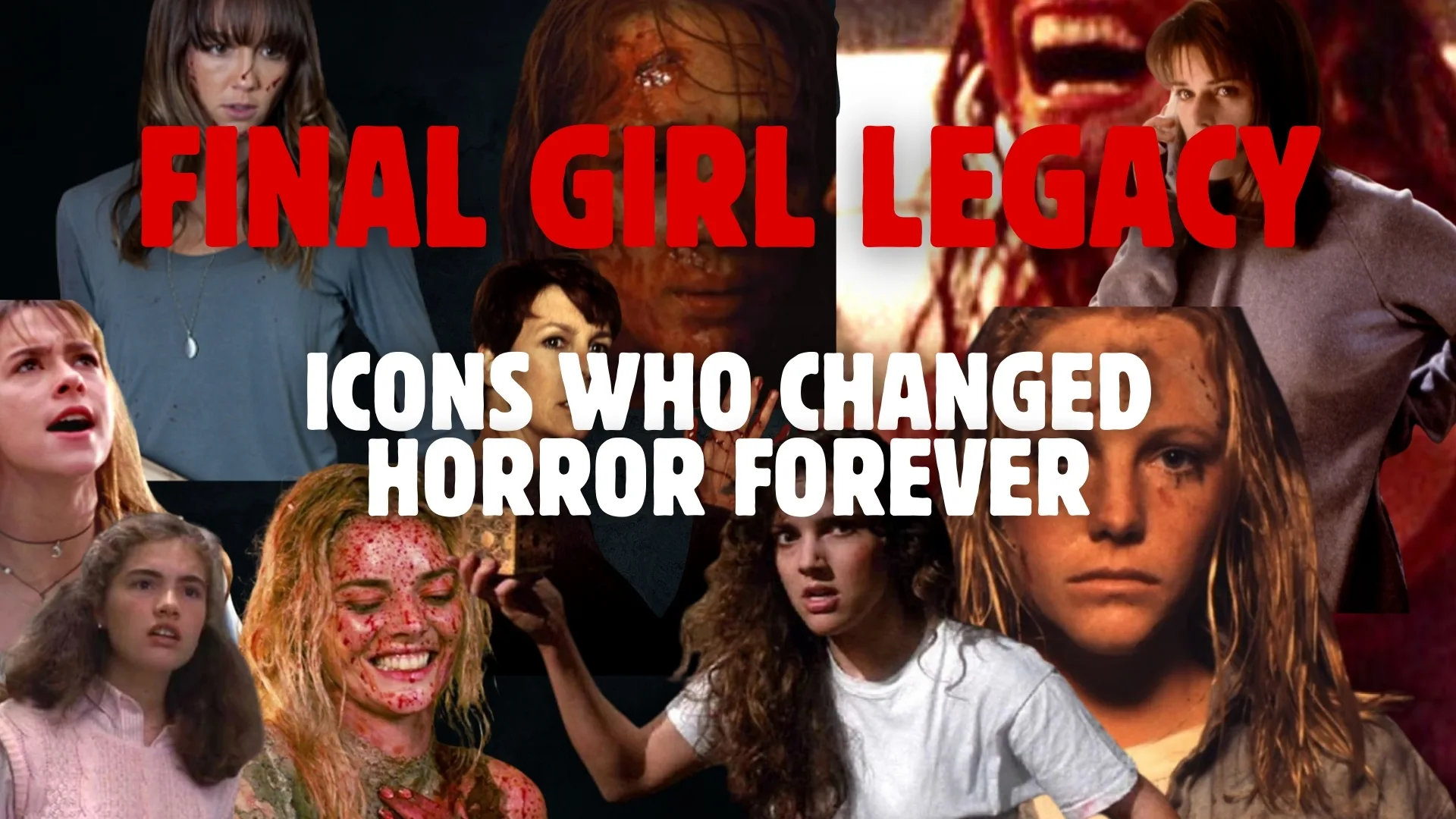
  • Final Girl Legacy: Icons Who Changed Horror Forever

    Final Girl Legacy: Icons Who Changed Horror Forever

    The Final Girl: Legacy, Evolution, and Why She Endures

    Friends, welcome back to the Broke Boogeyman blog. Around here, we don’t just look at the movies we love — we look at the scars they left on us. Horror isn’t disposable. It’s memory, it’s trauma, it’s survival encoded in plastic and celluloid. And no archetype proves that more than the Final Girl.

    We’ve laid down the rules. We’ve counted them down from ten to one. But this isn’t just about lists. It’s about legacy — the way these women changed horror, and changed us, forever.
    Further reading: Final Girl Rules →Ranking 10–6 →Top 5 Breakdown →


    Sally Hardesty — The Foundation

    It starts in 1974. Sally Hardesty, covered in blood, screaming in the back of a pickup as Leatherface swings in the dawn light. That moment isn’t victory. It’s transformation. Sally didn’t win by cleverness; she survived by desperation. In that desperation, Tobe Hooper carved the template.

    Every Final Girl since is built on Sally’s madness. That hysterical laughter in the final frame isn’t closure — it’s trauma echoing forward through the genre.
    See also: My Top 5 breakdown (Sally’s legacy) →


    Laurie Strode — The Archetype

    Laurie Strode is the responsible babysitter who looked Michael Myers in the eye and lived. She’s endured through reboots, remakes, and retcons — sometimes inconsistent, sometimes brilliant, always central. Laurie is less a character now than a symbol: the Final Girl made flesh.

    Her survival is proof horror doesn’t end when the mask drops. Trauma follows you. Sometimes it comes home, again and again.
    Related reading: Final Girl Rules →


    Nancy Thompson — The Strategist

    Nancy didn’t just run from Freddy Krueger — she studied him, exploited his weaknesses, and rewrote the rules. By Dream Warriors, she evolves into mentor: the survivor who teaches survival.

    Her legacy is the idea that the Final Girl doesn’t just endure; she learns — and then she passes it on.
    Related: Ranking 10–6 (Nancy’s placement) →


    Kirsty Cotton — The Intellect

    Kirsty Cotton fought hell itself and didn’t flinch. She negotiated with demons. She recognized that even the Cenobites had rules — and she turned those rules to her advantage.

    Her legacy is survival through intellect. Sometimes the sharpest weapon isn’t a knife or a shotgun. It’s a mind keen enough to outthink hell.
    Related: Ranking 10–6 →


    Dana Polk — The Revolutionary

    Dana looked at horror itself — the systems, the tropes, the manufactured sacrifices — and said no. She didn’t just reject her fate; she rejected the entire structure of Final Girl logic. When she refused to complete the ritual in Cabin in the Woods, she refused the role assigned to her — even if it meant ending the world.

    Dana’s legacy is rebellion. It’s horror looking in the mirror and burning the script.
    Related: Top 5 Breakdown →


    Sidney Prescott — The Evolution

    Sidney isn’t just number one. She’s the proof of what the Final Girl can become. Across six films, she’s survived more maniacs than anyone. She moves from traumatized teen to mentor to legend. She didn’t just play by the rules — she rewrote them.

    Sidney’s legacy is total. Scream revived slashers and created the meta-horror conversation. Every horror film since 1996 speaks to what Sidney and Ghostface established.
    Related: Top 5 Breakdown →Podcast: Final Girl episode →


    The Living Spine of Horror

    The Final Girl isn’t static. She changes with the decades.

    • ’70s: desperation (Sally)
    • ’80s: strategy (Nancy)
    • ’90s: self-awareness (Sidney)
    • 2000s+: tactical, intellectual, revolutionary (Kirsty, Dana, and beyond)

    Each carries a piece of the archetype forward: Sally’s trauma. Laurie’s endurance. Nancy’s strategy. Kirsty’s intellect. Dana’s rebellion. Sidney’s evolution. Together, they form the very spine of horror — proof that survival is possible, even in the face of the impossible.


    Wrapping Up

    The Final Girl is more than a trope. She’s a legacy. Monsters change. Maniacs evolve. Rules bend and break. Someone still refuses to die.

    From 1974 to now, she’s survived with us. And she’ll keep surviving as long as horror keeps creating new nightmares — because survival isn’t luck. It’s legacy.

    Keep going: Final Girl Rules →Ranking 10–6 →Top 5 Breakdown →