From Definition to Defiance
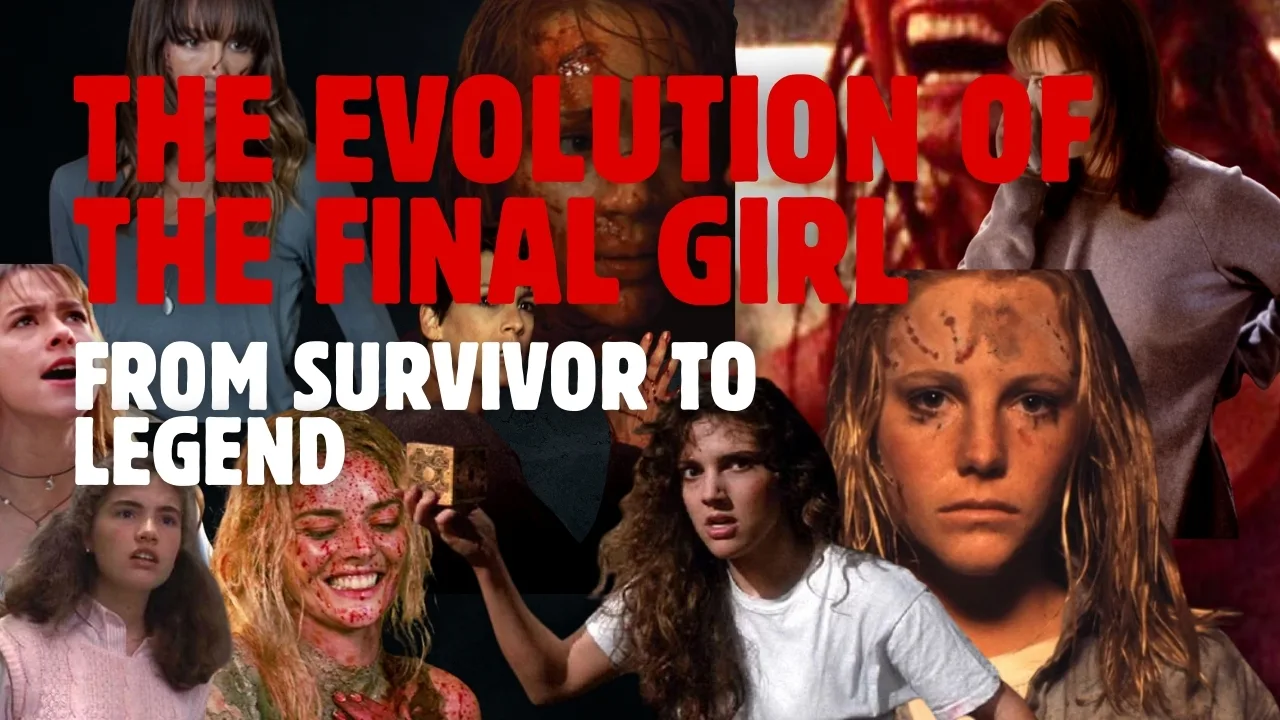
The term “Final Girl” first appeared in Carol Clover’s Men, Women, and Chainsaws back in 1992. Clover noticed a pattern in slashers: the last woman standing, the one who faced the maniac head-on. That was thirty years ago. And since then, the trope has mutated, survived, and adapted, just like the women themselves.
The old definition? A victim who lucked into survival.
The new definition? A fighter who rewrites the rules.
Today’s Final Girl isn’t just the scared teenager who makes it out by accident. She’s an active participant in her survival. She improvises. She adapts. She evolves into something more than prey.
The Four Pillars of Survival
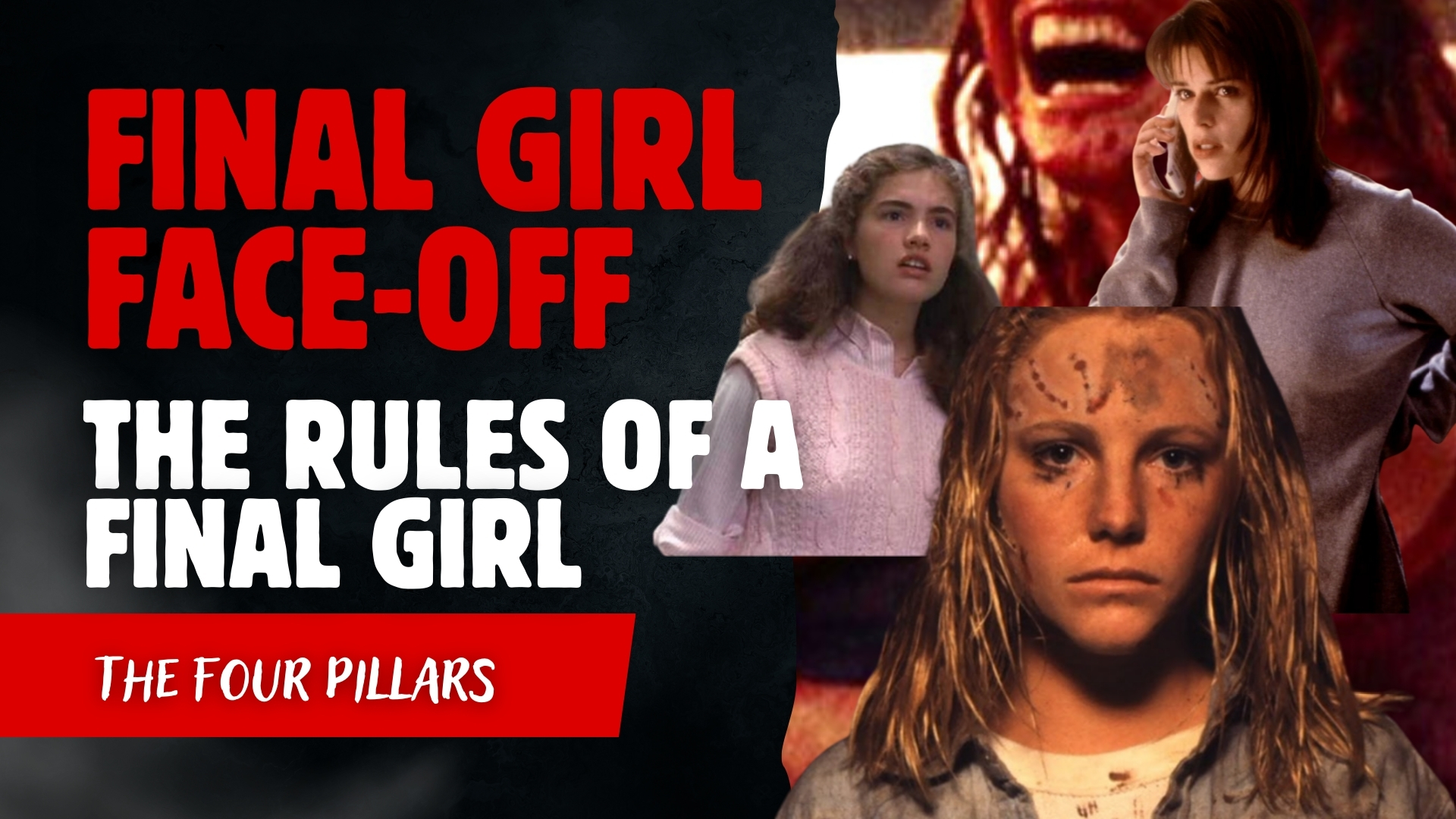
If you’ve been with me on the podcast, you already know the DNA I laid down—the Four Pillars of a Final Girl:
- Grit – The mental and physical toughness to withstand trauma, pain, and impossible odds.
- Body Count & Survival Odds – The scale of the nightmare. How many maniacs stood in her way, and how outmatched was she?
- Cultural Impact – Did she leave a scar on the genre? Do we still talk about her decades later?
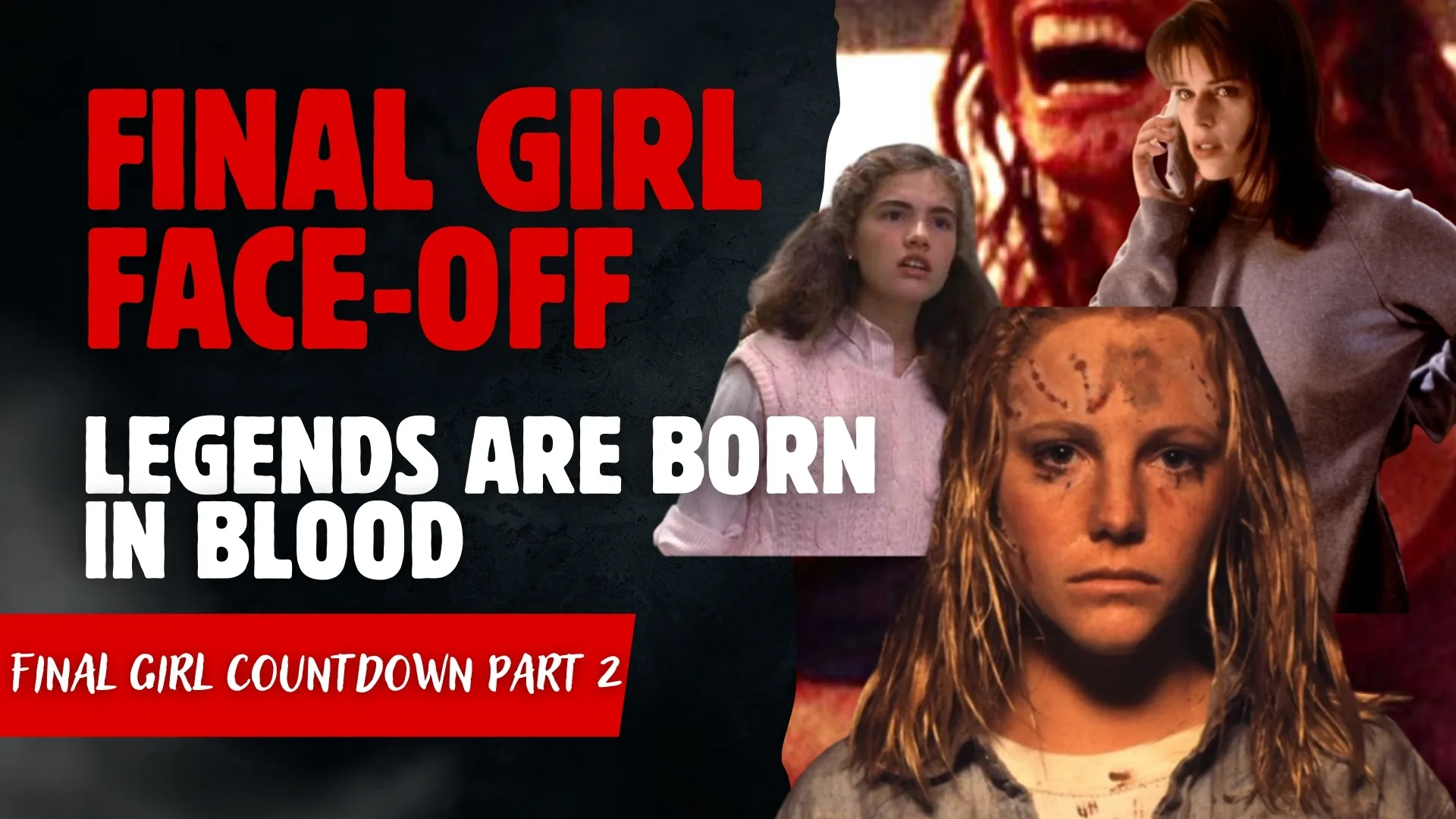
- Comeback Factor – One film is impressive. Surviving multiple? That’s how legends are born.
These aren’t just rules. They’re the measuring sticks that separate the legendary from the merely lucky.
Breaking the Mold
Take Grace from Ready or Not. A bride who turned her wedding night into a war zone. She doesn’t just run—she weaponizes the absurdity. Or Erin from You’re Next, who flipped the script on home invasion by being more dangerous than the maniacs themselves.
Then you’ve got the classics. Ginny in Friday the 13th Part 2, using child psychology to literally get inside Jason’s head. Nancy Thompson in Nightmare on Elm Street, who booby-trapped her way into horror immortality. And of course, Sidney Prescott—who didn’t just survive Ghostface but defined an entire generation of horror meta-commentary.
Each one didn’t just play the game. They changed it.
From Survivor to Symbol
What makes the Final Girl so powerful is her evolution across decades. In the ’70s and ’80s, she was often reactive—cornered, traumatized, barely making it out alive. By the ’90s, she became self-aware, talking back to the tropes themselves. In the modern era, she’s proactive, tactical, and often deadlier than the maniac she’s facing.
The Final Girl has become a cultural symbol: resilience in the face of violence, a metaphor for surviving trauma, and proof that horror doesn’t just kill—it transforms.
The Legacy Lives On
Sidney Prescott is still standing 25 years later. Laurie Strode has survived reboots, remakes, and retcons. Kirsty Cotton didn’t just outlast Pinhead—she stared him down and negotiated with demons. These aren’t just characters. They’re legends that horror fans still rally around, dissect, and debate.
The Final Girl isn’t a trope anymore. She’s a legacy.
What’s Next
This post is just the beginning. If you want the deeper cut, check out:
- The Four Pillars of a Final Girl — the DNA of survival.
- The Definitive Final Girl Countdown (10–6) — from Grace to Julie James.
- The Definitive Final Girl Countdown (5–1) — the legends who changed horror forever.
Because surviving isn’t enough. Not here. Not in horror.
The Final Girl is proof that you can walk out of the nightmare—and come back stronger.
Until next time… keep collecting the stuff they don’t want you to remember.