Category: Series: Final Girls

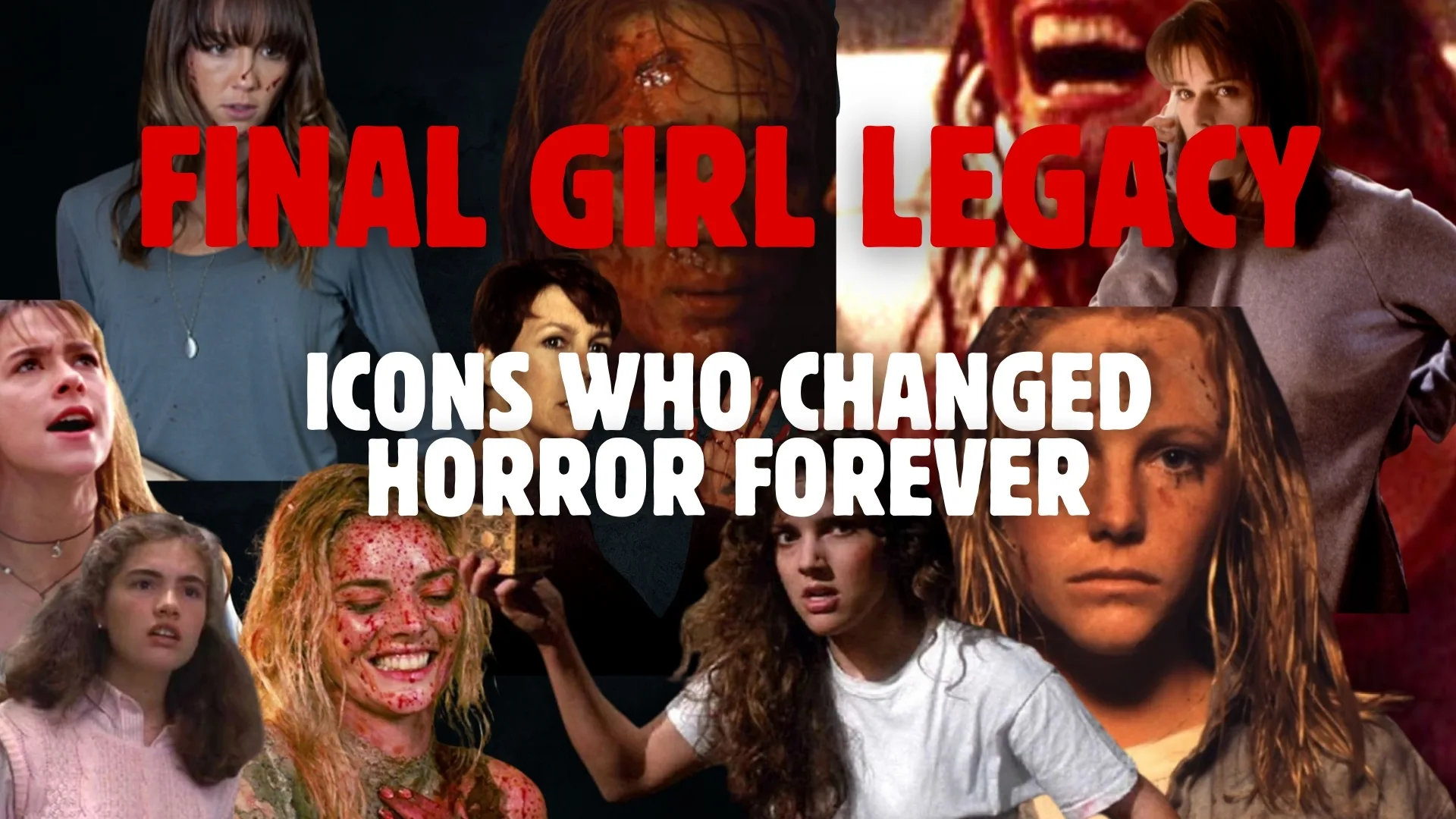
  • Final Girl Legacy: Icons Who Changed Horror Forever

    Final Girl Legacy: Icons Who Changed Horror Forever

    The Final Girl: Legacy, Evolution, and Why She Endures

    Friends, welcome back to the Broke Boogeyman blog. Around here, we don’t just look at the movies we love — we look at the scars they left on us. Horror isn’t disposable. It’s memory, it’s trauma, it’s survival encoded in plastic and celluloid. And no archetype proves that more than the Final Girl.

    We’ve laid down the rules. We’ve counted them down from ten to one. But this isn’t just about lists. It’s about legacy — the way these women changed horror, and changed us, forever.
    Further reading: Final Girl Rules →Ranking 10–6 →Top 5 Breakdown →


    Sally Hardesty — The Foundation

    It starts in 1974. Sally Hardesty, covered in blood, screaming in the back of a pickup as Leatherface swings in the dawn light. That moment isn’t victory. It’s transformation. Sally didn’t win by cleverness; she survived by desperation. In that desperation, Tobe Hooper carved the template.

    Every Final Girl since is built on Sally’s madness. That hysterical laughter in the final frame isn’t closure — it’s trauma echoing forward through the genre.
    See also: My Top 5 breakdown (Sally’s legacy) →


    Laurie Strode — The Archetype

    Laurie Strode is the responsible babysitter who looked Michael Myers in the eye and lived. She’s endured through reboots, remakes, and retcons — sometimes inconsistent, sometimes brilliant, always central. Laurie is less a character now than a symbol: the Final Girl made flesh.

    Her survival is proof horror doesn’t end when the mask drops. Trauma follows you. Sometimes it comes home, again and again.
    Related reading: Final Girl Rules →


    Nancy Thompson — The Strategist

    Nancy didn’t just run from Freddy Krueger — she studied him, exploited his weaknesses, and rewrote the rules. By Dream Warriors, she evolves into mentor: the survivor who teaches survival.

    Her legacy is the idea that the Final Girl doesn’t just endure; she learns — and then she passes it on.
    Related: Ranking 10–6 (Nancy’s placement) →


    Kirsty Cotton — The Intellect

    Kirsty Cotton fought hell itself and didn’t flinch. She negotiated with demons. She recognized that even the Cenobites had rules — and she turned those rules to her advantage.

    Her legacy is survival through intellect. Sometimes the sharpest weapon isn’t a knife or a shotgun. It’s a mind keen enough to outthink hell.
    Related: Ranking 10–6 →


    Dana Polk — The Revolutionary

    Dana looked at horror itself — the systems, the tropes, the manufactured sacrifices — and said no. She didn’t just reject her fate; she rejected the entire structure of Final Girl logic. When she refused to complete the ritual in Cabin in the Woods, she refused the role assigned to her — even if it meant ending the world.

    Dana’s legacy is rebellion. It’s horror looking in the mirror and burning the script.
    Related: Top 5 Breakdown →


    Sidney Prescott — The Evolution

    Sidney isn’t just number one. She’s the proof of what the Final Girl can become. Across six films, she’s survived more maniacs than anyone. She moves from traumatized teen to mentor to legend. She didn’t just play by the rules — she rewrote them.

    Sidney’s legacy is total. Scream revived slashers and created the meta-horror conversation. Every horror film since 1996 speaks to what Sidney and Ghostface established.
    Related: Top 5 Breakdown →Podcast: Final Girl episode →


    The Living Spine of Horror

    The Final Girl isn’t static. She changes with the decades.

    • ’70s: desperation (Sally)
    • ’80s: strategy (Nancy)
    • ’90s: self-awareness (Sidney)
    • 2000s+: tactical, intellectual, revolutionary (Kirsty, Dana, and beyond)

    Each carries a piece of the archetype forward: Sally’s trauma. Laurie’s endurance. Nancy’s strategy. Kirsty’s intellect. Dana’s rebellion. Sidney’s evolution. Together, they form the very spine of horror — proof that survival is possible, even in the face of the impossible.


    Wrapping Up

    The Final Girl is more than a trope. She’s a legacy. Monsters change. Maniacs evolve. Rules bend and break. Someone still refuses to die.

    From 1974 to now, she’s survived with us. And she’ll keep surviving as long as horror keeps creating new nightmares — because survival isn’t luck. It’s legacy.

    Keep going: Final Girl Rules →Ranking 10–6 →Top 5 Breakdown →

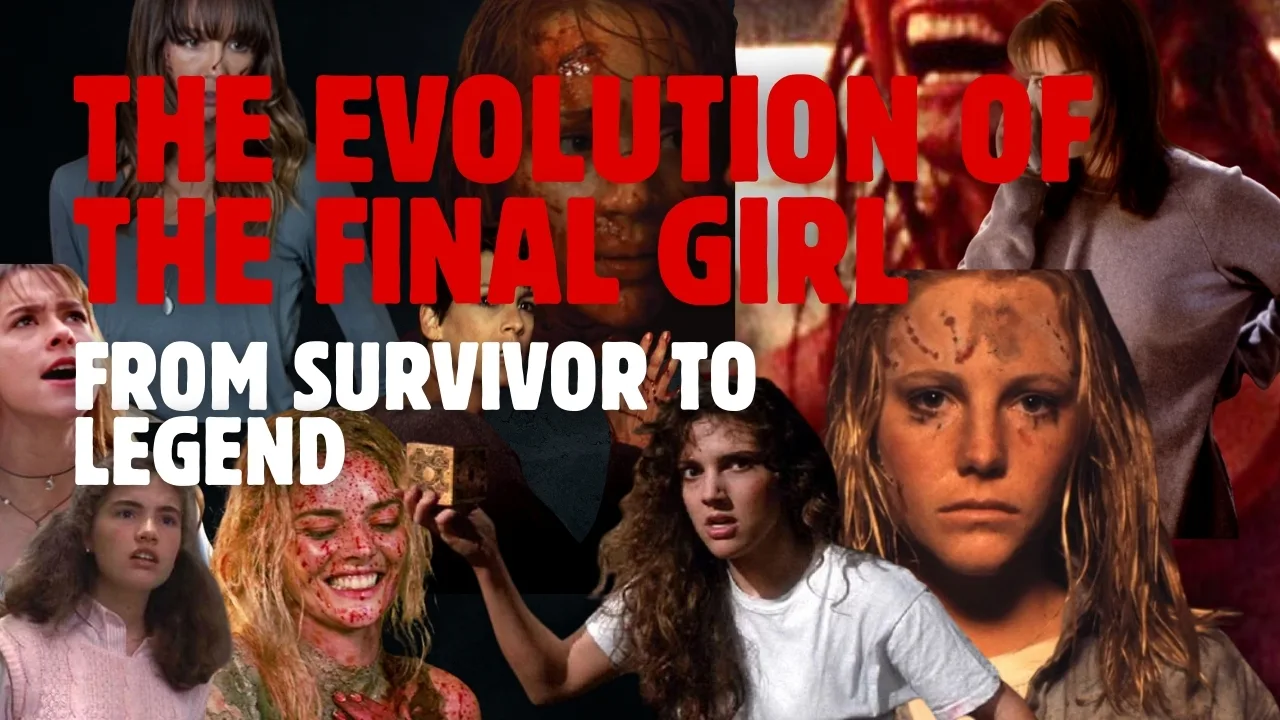
  • The Evolution of the Final Girl: From Survivor to Legend

    The Evolution of the Final Girl: From Survivor to Legend

    From Definition to Defiance

    The term “Final Girl” first appeared in Carol Clover’s Men, Women, and Chainsaws back in 1992. Clover noticed a pattern in slashers: the last woman standing, the one who faced the maniac head-on. That was thirty years ago. And since then, the trope has mutated, survived, and adapted, just like the women themselves.

    The old definition? A victim who lucked into survival.
    The new definition? A fighter who rewrites the rules.

    Today’s Final Girl isn’t just the scared teenager who makes it out by accident. She’s an active participant in her survival. She improvises. She adapts. She evolves into something more than prey.

    The Four Pillars of Survival

    If you’ve been with me on the podcast, you already know the DNA I laid down—the Four Pillars of a Final Girl:

    1. Grit – The mental and physical toughness to withstand trauma, pain, and impossible odds.
    2. Body Count & Survival Odds – The scale of the nightmare. How many maniacs stood in her way, and how outmatched was she?
    3. Cultural Impact – Did she leave a scar on the genre? Do we still talk about her decades later?
    4. Comeback Factor – One film is impressive. Surviving multiple? That’s how legends are born.

    These aren’t just rules. They’re the measuring sticks that separate the legendary from the merely lucky.

    Breaking the Mold

    Take Grace from Ready or Not. A bride who turned her wedding night into a war zone. She doesn’t just run—she weaponizes the absurdity. Or Erin from You’re Next, who flipped the script on home invasion by being more dangerous than the maniacs themselves.

    Then you’ve got the classics. Ginny in Friday the 13th Part 2, using child psychology to literally get inside Jason’s head. Nancy Thompson in Nightmare on Elm Street, who booby-trapped her way into horror immortality. And of course, Sidney Prescott—who didn’t just survive Ghostface but defined an entire generation of horror meta-commentary.

    Each one didn’t just play the game. They changed it.

    From Survivor to Symbol

    What makes the Final Girl so powerful is her evolution across decades. In the ’70s and ’80s, she was often reactive—cornered, traumatized, barely making it out alive. By the ’90s, she became self-aware, talking back to the tropes themselves. In the modern era, she’s proactive, tactical, and often deadlier than the maniac she’s facing.

    The Final Girl has become a cultural symbol: resilience in the face of violence, a metaphor for surviving trauma, and proof that horror doesn’t just kill—it transforms.

    The Legacy Lives On

    Sidney Prescott is still standing 25 years later. Laurie Strode has survived reboots, remakes, and retcons. Kirsty Cotton didn’t just outlast Pinhead—she stared him down and negotiated with demons. These aren’t just characters. They’re legends that horror fans still rally around, dissect, and debate.

    The Final Girl isn’t a trope anymore. She’s a legacy.

    What’s Next

    This post is just the beginning. If you want the deeper cut, check out:

    Because surviving isn’t enough. Not here. Not in horror.
    The Final Girl is proof that you can walk out of the nightmare—and come back stronger.

    Until next time… keep collecting the stuff they don’t want you to remember.

  • The Definitive Final Girl Countdown (5–1)

    The Definitive Final Girl Countdown (5–1)

    Friends, if you’ve been following along, you know the rules. You know the Four Pillars. You know we’ve already counted down ten through six — Grace, Ginny, Erin, Nancy, and Julie — each one proof that surviving isn’t enough unless you change the genre while doing it.

    But now we’re entering sacred territory.

    The Top Five Final Girls of All Time

    These aren’t just survivors. They’re cultural icons. They’re the ones who rewired horror and reshaped what it means to refuse death. And fair warning: my number one pick? It’s going to piss some of you off. Good. That means you’re passionate.

    Let’s do this.


    #5 — Sally Hardesty (The Texas Chain Saw Massacre, 1974)

    Before Laurie. Before Nancy. Before Sidney. There was Sally.

    In The Texas Chain Saw Massacre, Sally endured what is still, to this day, the most brutal horror experience ever put on film. That dinner scene, strapped to a chair while the Sawyer family cackled and tortured her, is pure nightmare fuel. It’s not just scary — it’s traumatic to watch.

    Most people would break. Sally doesn’t. She throws herself through a window, runs bleeding through the night, and claws her way onto the back of a pickup truck. That final shot of her laughing and screaming in the sunrise — drenched in blood and madness — is rebirth through trauma.

    Sally is the foundation. She’s the blueprint. The Final Girl before the phrase even existed.

    So why only number five? Because Sally survived through desperation and luck. The top four fought back with strategy, intellect, and intent. Sally was legendary, but she was also a victim who escaped. The ones above her were never just victims.

    #4 — Laurie Strode (Halloween, 1978–2022)

    The babysitter. The archetype. The matriarch.

    Laurie Strode has been battling Michael Myers for 44 years across multiple timelines, retcons, and reboots. She’s died, been resurrected, and reinvented more times than any Final Girl in history. And through it all, she’s remained the face of slasher survival.

    The virginal, responsible teenager in 1978 set the template: pure, cautious, resourceful — while her sexually active friends were butchered. That double standard defined slashers for decades.

    But Laurie’s legacy is complicated. She’s had legendary highs (H20 Laurie, hardened by trauma and ready for war) and embarrassing lows (Resurrection Laurie, a moment horror fans pretend never happened). The recent trilogy gave her new life as a scarred survivor, consumed by obsession, whose fight against Michael damaged her family as much as it empowered her.

    That’s the paradox of Laurie Strode. She’s more symbol than consistent character. She represents the idea of the Final Girl more than a single definitive version.

    She’s iconic. She’s essential. But the top three? They never stumbled. They never had a “bad” movie dragging them down.

    #3 — Dana Polk (The Cabin in the Woods, 2012)

    The revolutionary.

    On the surface, Dana looks like the classic Final Girl: virginal, innocent, “pure.” But The Cabin in the Woods deconstructs the archetype in real time. Dana isn’t just surviving a slasher — she’s surviving a system designed to manufacture slashers.

    When she discovers the underground facility, the orchestrated sacrifices, the cosmic order demanding her blood… she refuses. She chooses not to complete the ritual, even if it means ending the world.

    That last exchange with Marty — “I’m sorry I almost shot you” — before letting everything burn, isn’t just survival. It’s rebellion. Dana looked straight at the machine that demanded women die for cosmic stability and said: burn it all down.

    Dana didn’t just fight a monster. She fought the system that creates monsters. That’s not survival. That’s revolution.

    #2 — Kirsty Cotton (Hellraiser, 1987–1989)

    The most underrated Final Girl in horror. Period.

    While most Final Girls face maniacs, killers, or masked monsters, Kirsty Cotton faced demons from literal hell — and won. Not by running. Not by stabbing. But by negotiating.

    When the Cenobites corner her with their infamous promise — “We have such sights to show you” — she doesn’t scream. She bargains. She offers Frank instead of herself. She outsmarts the unspeakable by recognizing they’re bound by rules.

    That’s Kirsty’s genius. She understood that survival isn’t always about brute strength. It’s about knowing the rules of the nightmare better than the monsters do.

    Across multiple films, Kirsty turned horror into a chess game — and she never lost. She is the definition of intellect over instinct.

    #1 — Sidney Prescott (Scream, 1996–2023)

    The Queen. The legend. The evolution.

    Sidney Prescott has survived five Ghostface killing sprees across nearly three decades. But survival alone isn’t what makes her number one. It’s how she evolved.

    In Scream, she’s the classic virginal archetype — traumatized by her mother’s murder, still “pure” by slasher logic — but she’s already sharper than most. She identifies the killers, fights back, and survives because she’s smarter, not just luckier.

    In Scream 2, she’s a trauma survivor trying to move forward, only to be dragged back. She adapts. She becomes harder, faster, more strategic.

    By Scream 3, she’s reclusive, scarred, resigned to a life where the nightmare never ends. But when Ghostface finds her, she doesn’t just hide — she confronts the source of her trauma head-on.

    Scream 4 shows her transformed: an author, a mentor, someone who uses her scars to help others. And by Scream 5 and 6, she’s legend. The final boss of Final Girls. The one Ghostface killers target specifically because beating Sidney would crown them as ultimate.

    Sidney’s cultural impact is unmatched. Scream revived the slasher, invented meta-horror, and every horror film since 1996 has lived in its shadow.

    Her kill count? The highest of any Final Girl. Her longevity? 25+ years of relevance. Her arc? Victim → survivor → hero → legend.

    Sidney didn’t just play the game. She rewrote it. She didn’t just survive. She transcended.

    That’s why Sidney Prescott is number one.

    Wrapping Up

    There it is. The definitive top five:

    • #5 Sally Hardesty — the foundation, reborn through trauma.
    • #4 Laurie Strode — the matriarch, iconic but inconsistent.
    • #3 Dana Polk — the revolutionary who refused the system.
    • #2 Kirsty Cotton — the intellect who outsmarted hell.
    • #1 Sidney Prescott — the legend, the evolution, the eternal survivor.

    Mad about the rankings? Good. That means you care. That means horror still matters.

    Drop your own list. Argue with mine. Tell me who I got wrong. Hell, write your own countdown and tag me. Because the Final Girl isn’t just a trope. She’s a conversation.

    Until next time… keep collecting the stuff they don’t want you to remember.

  • The Definitive Final Girl Countdown (10–6)

    The Definitive Final Girl Countdown (10–6)

    We’re kicking off the

    Top 10 Final Girls of All Time


    Last time, I set the rules. We laid out the Four Pillars of Survival: grit, survival odds, cultural impact, and comeback factor. Those are the measuring sticks. They separate the screamers from the icons.

    Now it’s time to put them to the test.

    And just so you know, ranking Final Girls is like ranking maniacs — somebody’s going to get mad. Good. That means it matters.


    #10 — Grace Le Domas (Ready or Not, 2019)

    A wedding dress. A cursed game. A night of pure absurdity turned into a bloodbath.

    Grace represents everything a modern Final Girl should be. When she realizes her new in-laws aren’t quirky rich people but a cult bound by human sacrifice, she doesn’t crumble. She adapts.

    She rips her wedding dress into camouflage. She uses the mansion itself as a weapon. She keeps fighting through brutal injuries, turning desperation into strategy.

    Grace’s survival odds were stacked against her — one woman against an entire family of maniacs. Yet she not only survives, she wins. No sequels. No franchise longevity. But one perfect night of sheer grit is all it took to etch her name into Final Girl history.

    #9 — Ginny Field (Friday the 13th Part 2, 1981)

    The most underrated Final Girl in horror.

    Everyone remembers Alice from the first film. Everyone knows about Tommy Jarvis later. But Ginny? Criminally overlooked.

    Here’s why she deserves her spot: she weaponized psychology against Jason Voorhees. She was studying child psychology in college, and when she realized Jason’s motivation was tied to his mother, she used it. That moment where she puts on Pamela Voorhees’ sweater and convinces Jason she’s his mom? That’s not luck. That’s next-level survival strategy.

    Ginny literally broke Jason’s psyche long enough to attack him. That’s tactical brilliance. She wasn’t stronger than him, but she was smarter.

    Most Final Girls rely on endurance. Ginny relied on intellect. And that’s why she belongs here.

    #8 — Erin Harson (You’re Next, 2011)

    The game-changer.

    At first glance, You’re Next looks like another home invasion slasher. Family dinner. Masks. Blood. But Erin flipped the script. She wasn’t just a victim — she was more dangerous than the maniacs themselves.

    Raised with a survivalist background, Erin immediately recognizes that the attack isn’t random. She anticipates moves. She booby-traps the house. She turns household items into weapons. She doesn’t just defend herself — she hunts back.

    The blender kill is infamous for a reason. It’s inventive, brutal, and symbolic of her resourcefulness.

    What Erin did was revolutionary. She proved the Final Girl could be the predator, not just the prey. After Erin, horror shifted. We started expecting our heroines to fight smarter, not just harder.

    #7 — Nancy Thompson (A Nightmare on Elm Street, 1984)

    Yes, she’s lower on the list than you expect. But hear me out.

    Nancy is the blueprint. She’s the reason we even talk about Final Girls the way we do. Facing Freddy Krueger — a supernatural killer who controls your dreams — is about as stacked as odds can get.

    But Nancy figured out how to fight back. She pulled him into the real world. She booby-trapped her house. She didn’t just endure the nightmare — she outsmarted it. And in Dream Warriors, she came back as a mentor, teaching others how to survive.

    So why number seven instead of higher? Because Nancy started the foundation, but she didn’t perfect it. The Final Girls above her took what Nancy built and evolved it even further.

    She’s still one of the most important figures in horror history. Every Final Girl owes her a debt. But being the first doesn’t automatically make you the best.

    #6 — Julie James (I Know What You Did Last Summer, 1997–1998)

    The sequel survivor.

    Most Final Girls get one showdown. Julie got two.

    In the first film, Julie is guilt-ridden, traumatized, and barely surviving the fisherman’s revenge. She’s reactive, running, hiding, scraping by. But in I Still Know What You Did Last Summer, she evolves.

    She recognizes the threat earlier. She’s proactive. She takes the fight to the fisherman with sharper instincts and harder resolve.

    Julie’s significance isn’t just about surviving twice — it’s about what she represents. The late ’90s slasher revival, standing shoulder-to-shoulder with Scream in shaping that era.

    She bridges the gap between nostalgic slashers and modern self-aware horror. And let’s be real: most people would be in therapy forever after one encounter. Julie kept fighting. That’s Final Girl resilience.


    Wrapping Up: 10 Through 6

    Grace. Ginny. Erin. Nancy. Julie. Each one a survivor, but more than that — each one a shift in the archetype.

    From a bride who turned her wedding into a war zone to a psychology student who broke Jason’s mind, these five women prove that the Final Girl is never static. She changes with the times, with the killers, with the culture.

    And we’re only halfway there.

    Because the Top 5? That’s where icons live. Women who didn’t just survive — they transcended.

    Click here for the Final Girl Countdown (5–1).

    Until then… keep collecting the stuff they don’t want you to remember.

  • Final Girl Face-Off | The Rules of a Final Girl

    Final Girl Face-Off | The Rules of a Final Girl

    Horror lives deep in the physical ghosts of the tapes we wore thin. The discs with scratches that still play because we refuse to let them go, and so do the archetypes that built the genre.

    One of the biggest?

    The Final Girl.

    She’s the one everyone thinks they know. The last woman standing when the credits roll. The one who outlives the bloodbath. But I’ve got news for you: not every survivor is a Final Girl. Just because you didn’t die doesn’t mean you earned the title.

    So let’s break it down. Let’s talk about the DNA. The rules. The four pillars that define whether you’re just another lucky character — or a legend etched into horror forever.


    Pillar 1: Grit

    Grit isn’t about being fearless. It’s about facing the nightmare anyway.

    Think of Grace in Ready or Not. She’s in a wedding dress, hunted by a family of maniacs with crossbows and axes. She’s injured, bloody, traumatized. And she doesn’t stop. She keeps fighting, keeps adapting, keeps moving forward. That’s grit.

    Or look at Nancy in A Nightmare on Elm Street. Sleep deprivation, psychological terror, a killer who literally controls her dreams — and she still pushes through long enough to drag Freddy into the real world. That’s mental toughness turned into survival strategy.

    A Final Girl doesn’t crumble. She breaks and rebuilds stronger.

    Pillar 2: Body Count & Survival Odds

    Not all survival is equal. If you escape one clumsy maniac after he trips over his own weapon, that’s not legendary. But if you’re Ginny in Friday the 13th Part 2 and you’ve got Jason Voorhees coming at you in the woods — that’s a stacked fight.

    Body count matters too. Sidney Prescott didn’t just survive one Ghostface. She’s survived multiple killers in every film. That’s an absurd survival ratio. And Laurie Strode? She’s faced Michael Myers across timelines, sequels, and remakes. The higher the odds stacked against you, the more impressive the survival.

    The Final Girl proves herself against impossible numbers.

    Pillar 3: Cultural Impact

    This is where a lot of “survivors” fall apart. Sure, they made it through their movie. But do we still talk about them? Did they leave fingerprints on the genre?

    Nancy Thompson is still referenced in every conversation about dream horror. Laurie Strode is horror’s matriarch, shaping decades of slashers. Sidney Prescott redefined the slasher itself by making horror self-aware. And Ripley? She turned the Final Girl into sci-fi’s greatest survivor.

    If horror fans don’t argue about you, remember you, or debate your ranking? You’re not a Final Girl. You’re just a survivor.

    Pillar 4: Comeback Factor

    One-and-done is fine. It’s impressive to take on a killer and make it out alive. But surviving across multiple films? That’s where legends are made.

    Laurie Strode has been battling Michael since 1978. Sidney Prescott has been fighting Ghostface for over 25 years. Julie James faced the fisherman not once, but twice. Survival isn’t a single event — it’s endurance.

    The comeback factor turns a character into a myth.

    What Doesn’t Count

    ere’s where people get mad.

    • If you survived because you got lucky? Not a Final Girl.
    • If the maniac just stopped trying and wandered off? Not a Final Girl.
    • If your survival was carried by an ensemble cast, where everyone pitched in equally? Impressive, sure. But that’s not the same as a one-on-one with evil itself.

    The Final Girl isn’t just the last alive. She’s the one who takes survival into her own hands.

    Why the Pillars Matter

    These four rules aren’t just a checklist. They’re a way to measure legacy. They show us why some characters fade into obscurity while others become cultural monuments.

    When I rank Final Girls — from Grace’s one-night war zone to Sidney’s decades-long reign — I’m using these pillars as my foundation. They separate the screamers from the survivors. The lucky from the legendary.

    What’s Next

    The pillars set the stage. But the real bloodbath? That’s the countdown.

    • The Definitive Final Girl Countdown (10–6)
    • The Definitive Final Girl Countdown (5–1)

    Because the Final Girl isn’t just a survivor. She’s proof that horror itself can evolve.

    Until next time… keep collecting the stuff they don’t want you to remember.