Category: Physical Media

  • The Devil’s Rejects — The Outlaw Sequel That Makes You Mourn Maniacs

    The Devil’s Rejects — The Outlaw Sequel That Makes You Mourn Maniacs

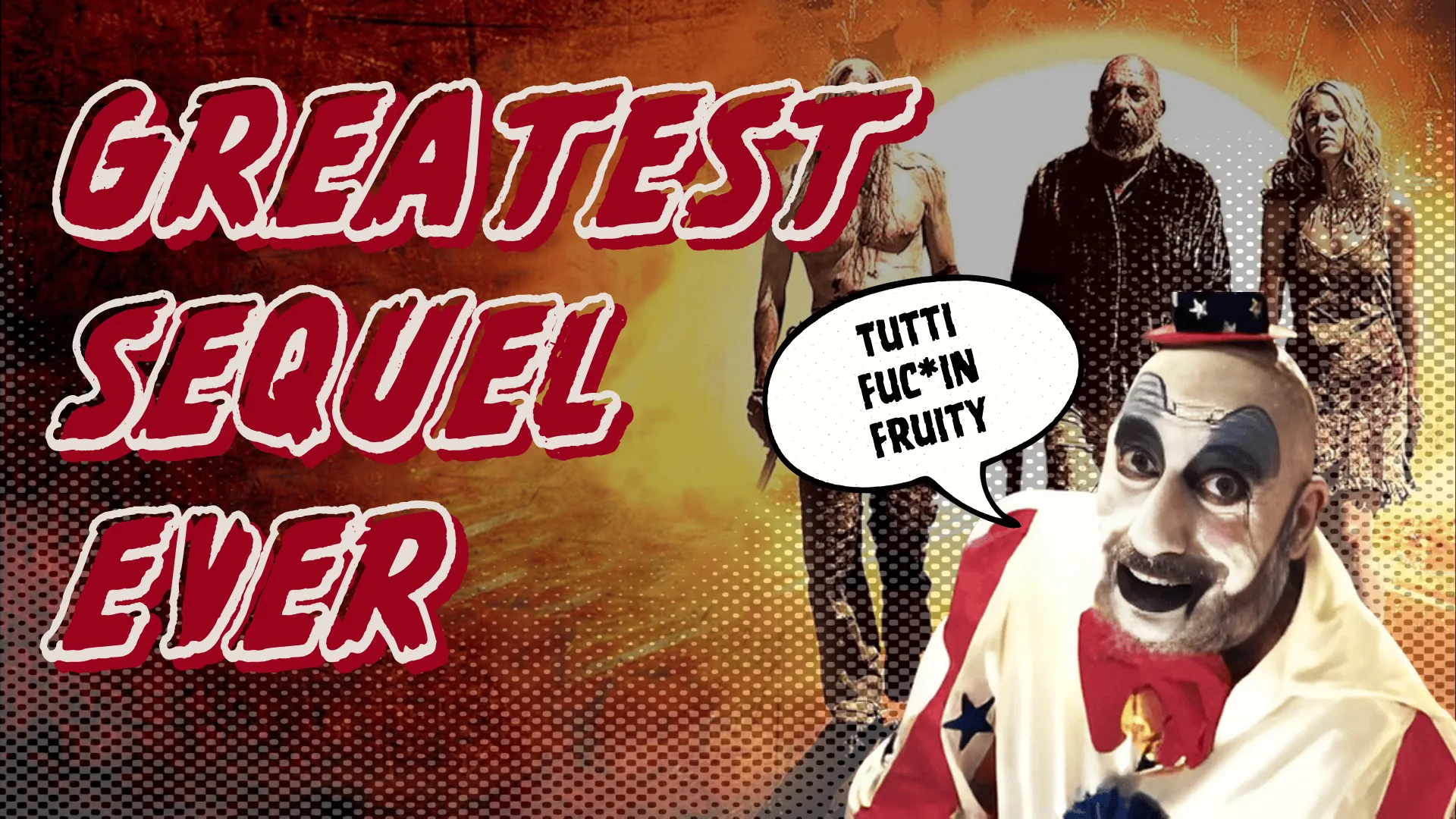
    This The Devil’s Rejects analysis argues the film is the greatest horror sequel of its era: a sun-scorched American nightmare where three maniacs refuse to lie while the country around them does. It burns the rulebook and dares you to care. Twenty years on, it still hits back—harder, colder, more honest—because it finds beauty inside the decay and exposes the hypocrisy wrapped around it.

    Further reading:
    House of 1000 Corpses — Collector/Context Guide
    FearDotCom (2002): The Internet’s First Cursed Prophecy
    Physical Media Hub

    The Devil’s Rejects Analysis: Why This Might Be the Greatest Horror Sequel

    Most sequels chase safer versions of the first hit. Rejects sprints the other way. It abandons the haunted-house carnival of Corpses for a dust-blasted outlaw epic, stripping the genre to sinew and nerve. No final girl. No moral center. Just characters who refuse to lie about who they are—and a country that can’t say the same.

    Burn the Rulebook (Road Movie, Not Slasher)

    Zombie reshapes the frame: motels and highways instead of basements and lairs. The camera moves like a documentary that stumbled into an execution. Spaulding cons his way through breakfast. Otis sermonizes at gunpoint. Baby laughs where most people pray. The tension isn’t “who dies next?”—it’s “how far will honesty take the damned?”

    Related reading: House of 1000 Corpses guide

    Sun-Bleached Craft (1970s Texture, American Violence)

    The film looks lived-in: crash zooms, lens flares, grime in every corner. It honors the tactile grammar of the 1970s without cosplay. The soundtrack isn’t needle-drop nostalgia; it’s character. Classic rock doesn’t soothe here—it indicts. When the music swells, it isn’t comfort. It’s complicity.

    For Collectors: Physical Media Notes (Outlaw Sequel Breakdown)

    If you’re building a shelf that tells the full story, start here:

    • Unrated Cut — pushes the edges and clarifies the film’s intended temperature.
    • Rob Zombie Commentary — a straight-line map to the intent.
    • “30 Days in Hell” Documentary — a feature-length anatomy of process and pressure.
    • Soundtrack/Score Editions — essential context for how this film thinks about America.

    The Devil’s Rejects – 4k Steelbook: https://amzn.to/3JUoZ7K

    The “Free Bird” Reckoning (Finale Breakdown)

    The finale is operatic without lying to you. Three maniacs drive into gunfire as if freedom is a direction you can point a car. We mourn—not because they’re redeemed, but because they’re consistent in a world built on acceptable violence and polite masks. It’s Greek tragedy on an American highway.

    The Living Spine of Horror: Why It Matters

    Horror endures when it names what a culture refuses to see. The Devil’s Rejects names it: the myth of the “good guy,” the ease of institutional cruelty, the seduction of spectacle. It’s not a defense of maniacs; it’s a cross-examination of everyone else. That’s why it lingers. That’s why it hurts. This The Devil’s Rejects analysis exists to make that tension unavoidable.

    Wrapping Up: Watch, Share, Argue

    Watch the video above, then tell me where Rejects lands in your Top 5 horror sequels—and why. If it doesn’t take the crown, make your case. I’ll feature the sharpest response in a future post. Next up: 3 From Hell—what it adds, what it breaks, and what the mythology costs.
  • How to Start Your Own Horror Memorabilia Collection on a Budget

    How to Start Your Own Horror Memorabilia Collection on a Budget

    You don’t need a limitless wallet to collect horror — you need intent. Start with memory, not money. Curate pieces that anchor you to the nights that made you, and let the rest fall away.

    Further reading: Physical Media Is Memory You Can Hold · The Role of Collector’s Editions in Horror Fandom · The Nostalgia Factor


    Pick Your Lane (So You Don’t Drown)

    Define a tight scope before you spend a dollar.

    • By era: “’80s VHS commons,” “’90s teen slashers,” “2000s unrated cuts.”
    • By format: tapes only, early DVDs with commentaries, soundtracks, posters.
    • By franchise/director: one series, one auteur, one subgenre.
      Write your lane on a note in your wallet. If a find doesn’t fit, walk away.
      Related reading: The Nostalgia Factor

    Set Simple Boundaries

    A budget focuses you — it doesn’t cage you.

    • Monthly cap: Pick a number you won’t exceed.
    • Rule of three: Only buy if it hits at least 1 of 3: personal memory, upgrade in quality, or meaningful extras/package.
    • One-in, one-out (optional): Keep shelves intentional, not swollen.

    Where to Hunt (Without Overpaying)

    • Thrift/secondhand: Weekday mornings and just after restocks. Check electronics bins for tossed tapes.
    • Flea markets & estate sales: Ask for “media boxes” — sellers often bundle cheap.
    • Library sales: Ex-rental DVDs with great features; bring cash and patience.
    • Local online: Facebook Marketplace, Craigslist, community groups. Search “VHS,” “DVD lot,” “movie posters,” “horror.”
    • Conventions/swap meets: Last-hour bargaining and multi-item bundles stretch dollars.
    • Record & used-book shops: Soundtracks, lobby promos, and poster reprints for wall-ready wins.

    What to Buy First (High-Impact, Low-Cost)

    • Tapes with cultural memory: The Lost Boys, A Nightmare on Elm Street, Scream — common, affordable, nostalgic.
    • DVDs with real features: Commentaries, behind-the-scenes docs, unrated cuts that streaming ignores.
    • Posters & flats: Reprints are fine if they tell your story. Use acid-free backers and sleeves.
    • Soundtracks & promos: CD/cassette scores, theatre handouts, retailer mini-posters — cheap, evocative, display-friendly.
      Related reading: The Art of Horror Movie Poster Design in the ’80s & ’90s

    Condition & Authenticity (Quick Checks)

    • Tapes: Inspect the clear window for mold, warped reels, or stuck tape. Spin reels gently with a pen.
    • Discs: Check for scratches and disc decay (pinholes/bronzing). Confirm the correct aspect ratio and audio on the case.
    • Posters: Look for theater stamps, fold lines, and paper stock. Reprint isn’t a sin — misrepresentation is.
    • Boxes & slips: Favor sturdy build, credited artwork, and accurate specs over hype stickers.

    Care That Saves You Money Later

    • Storage: Cool, dry, dark. Avoid basements/attics (unless finished, of course).
    • Tapes: Keep upright; don’t rewind to absolute zero — leave a little leader out.
    • Discs: Poly sleeves or keep in original cases; never stack loose.
    • Paper: Acid-free backers, Mylar sleeves; no tape on edges, ever.

    Trade-Up Without Becoming a Flipper

    • Keep one sentimental copy and one upgrade if needed; donate or trade duplicates for store credit.
    • Log what you own (notes app is fine). Track upgrades so you don’t re-buy the same “deal.”

    Negotiation That Works (and Feels Good)

    • Be polite, bundle items, and offer a fair cash price.
    • Ask, “Any more horror in the back?” You’ll be surprised how often there is.
    • If the price is firm and outside your budget, leave your number and your lane. Deals find the prepared.

    Micro-Checklist at the Bin

    • Does it fit my lane?
    • Is the condition acceptable for the price?
    • Does it add memory, quality, or context?
      If it’s not a yes on one of those, it’s a no.

    A Starter Hunt List (All typically <$10)

    • 1–2 iconic commons on VHS (’80s/’90s)
    • 1 DVD with a legit commentary track
    • 1 poster reprint you’ll actually hang
    • 1 soundtrack (CD/cassette) from a favorite title
    • 1 oddball promo (theater handout, retailer mini)
      Five pieces, one shelf, instant momentum.

    Case Study Energy

    Curious how one film can branch into dozens of meaningful artifacts? See how House of 1000 Corpses multiplies across formats and editions.
    Related reading: House of 1000 Corpses: Collector’s Guide


    Why It Matters

    Budget collecting isn’t about scarcity worship — it’s about stewardship. You’re preserving memory against cultural decay, turning speed culture into ceremony, and building an archive that explains who you are and how these films found you.


    Wrapping Up

    Start small. Stay personal. Buy the copy that tells your story, not the one an algorithm recommends. When you land your first five pieces, show me — we’ll plan smart upgrades from there.
    Explore next: The Role of Collector’s Editions in Horror Fandom · Physical Media Is Memory You Can Hold

  • The Nostalgia Factor: How Collecting Connects Us to the Past

    The Nostalgia Factor: How Collecting Connects Us to the Past

    Nostalgia isn’t just a feeling — it’s a tether. The rooms we grew up in, the sleepovers we shouldn’t have survived, the video-store aisles that felt like portals — collecting plugs us back into that current. When we hold a tape or flip a booklet, we’re not handling plastic. We’re handling time.


    Memory Made Tangible

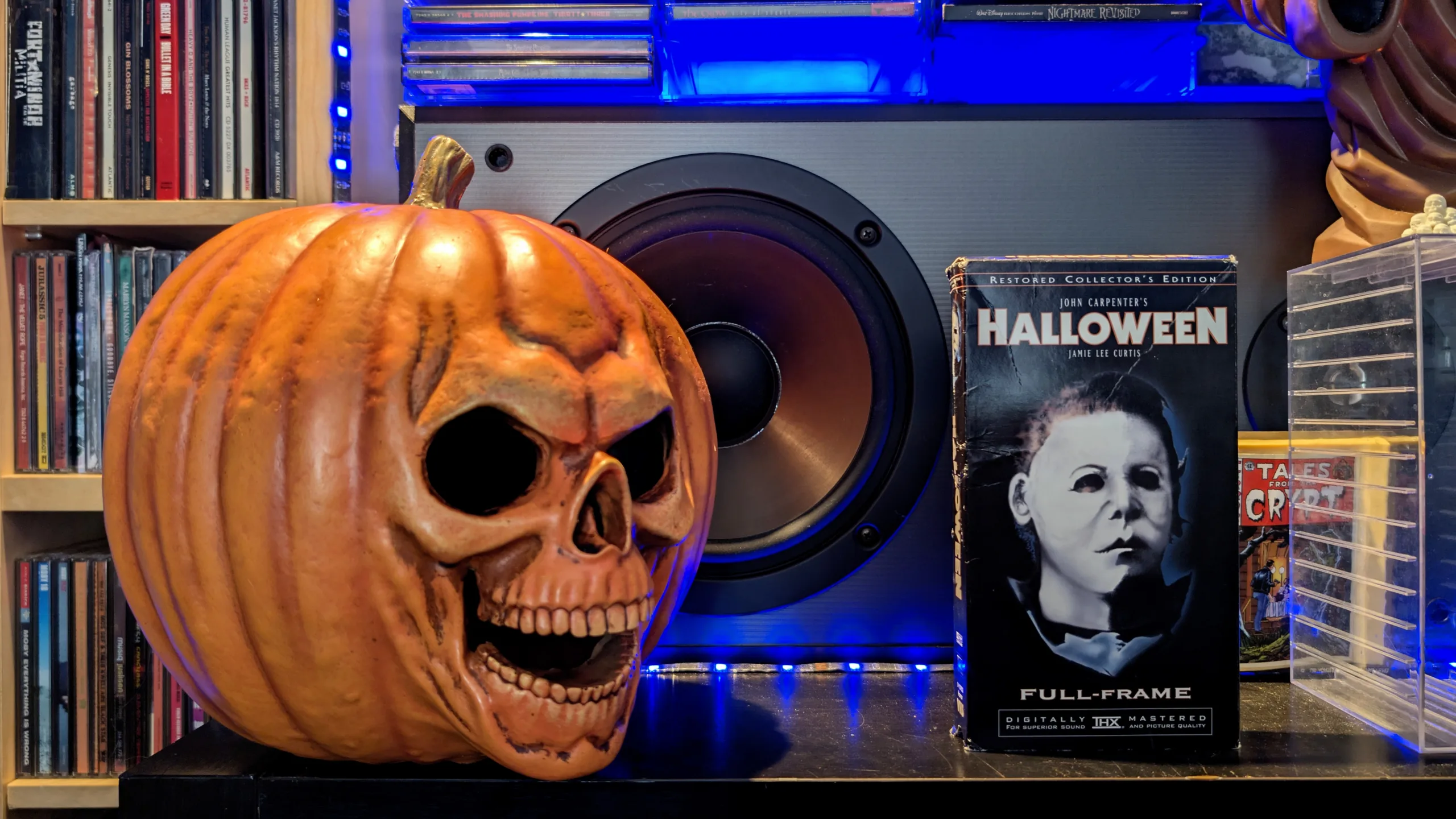
    A weathered A Nightmare on Elm Street tape isn’t just a movie; it’s the sound of late-night laughter, the hush when the lights go out, the first time fear felt electric. Collecting turns those moments into objects — anchors you can reach for when everything else moves too fast.

    Symbols We Keep Closed (On Purpose)

    That shrink-wrapped Scream VHS might never be opened — and that’s the point. It stands for the first time you saw it, the friends you saw it with, the era it branded into your bones. Some items we watch; some we remember with. Both are sacred.

    Your Shelf Is an Autobiography

    A collection is a map of who you became: the titles that rewired your taste, the ones that terrified you, the ones that taught you what horror could be. Lined up on a wall, they read like chapters — not content, but milestones.

    Beyond Discs: The Ephemera That Haunts

    Posters, promo trinkets, rental cases and slipcovers — the paper and plastic that built horror’s visual language. These artifacts remind us horror is an experience: the lobby glow, the clerk’s recommendation, the cover you weren’t allowed to rent but stared at anyway.

    Community in the Hunt

    Nostalgia is deeply personal, but the hunt is communal. Swapping leads, trading duplicates, posting “shelfies” — we keep each other’s pasts alive. The thrill of finding a long-lost edition isn’t just “score!”; it’s “someone else saved this for me.”

    Resistance to Cultural Decay

    Streaming shuffles, edits, and forgets. Nostalgia-driven collecting resists that churn. Each kept tape, each definitive disc says: this story stays. This context survives. We’re not renting memory from a server; we’re stewarding it.


    Why It Matters

    Nostalgia doesn’t trap us in yesterday; it explains how we got here. By collecting, we preserve more than films — we preserve the way they felt when we first pressed play. That feeling is the spine that keeps horror standing upright through cultural decay.


    Wrapping Up

    Pick one object that still time-warps you — a tape, a poster, a battered case — and tell me the story it holds. Then choose one new piece with intent. Let your shelf keep writing your autobiography.
    Explore next: Physical Media Is Memory You Can Hold · Poster Design in the ’80s & ’90s

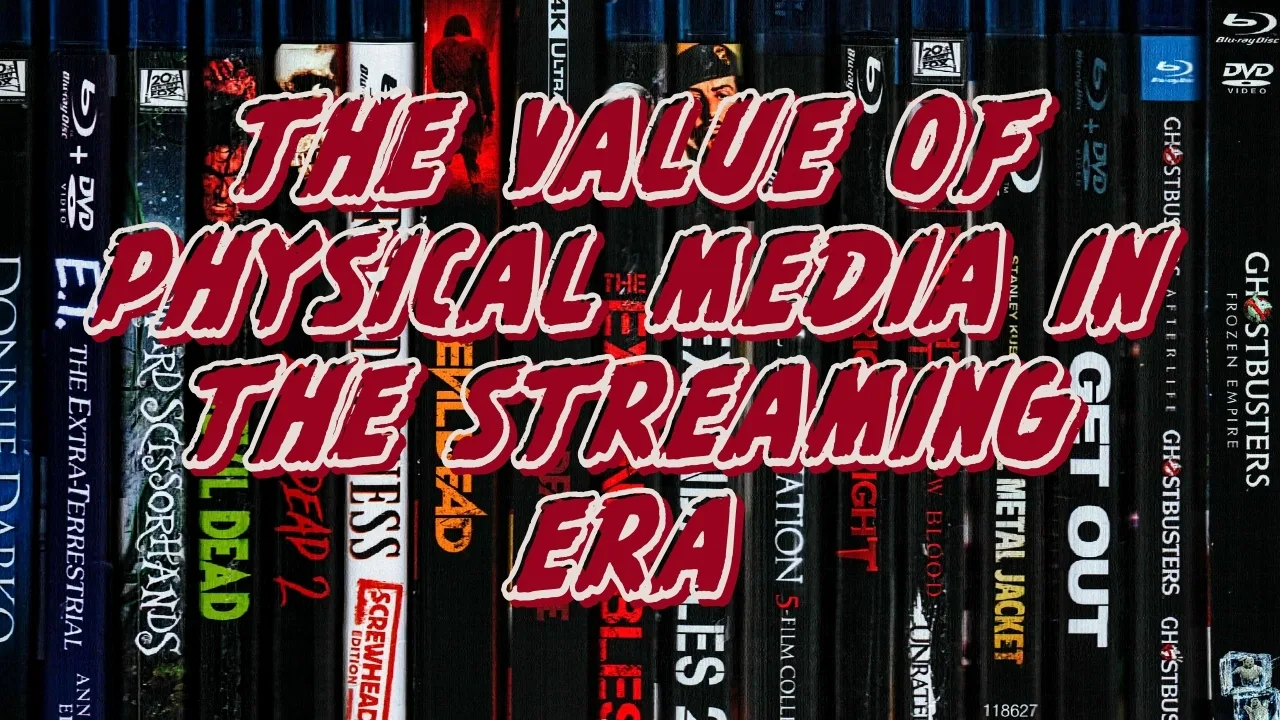
  • The Value of Physical Media in the Streaming Era

    The Value of Physical Media in the Streaming Era

    Streaming promised convenience. But horror doesn’t live on convenience — it lives on permanence, presence, and the ritual of choosing. When titles vanish overnight and mixes get “updated” without a word, a disc on your shelf becomes more than a format. It becomes proof.

    Further reading: Physical Media Is Memory You Can Hold · The Role of Collector’s Editions in Horror Fandom · The Art of Horror Movie Poster Design in the ’80s & ’90s


    The Promise vs. the Price of Convenience

    Licensing battles. Vanishing catalogs. Compressed audio and “silent” edits. The streaming carousel moves fast — faster than history can keep up. What looks like abundance is often rented access with a timer you can’t see.
    Related reading: Physical Media Is Memory You Can Hold

    Ownership Beats Access

    A disc doesn’t flinch when contracts expire or servers blink. You control the cut, the aspect ratio, the audio mix — not a silent patch or an algorithm. Ownership means the film exists on your terms, not a quarterly report’s.

    Security, Ritual, Authenticity

    Speed is only a feature until it erases meaning. Sliding a disc from a slipcover, opening a booklet, choosing commentary over autoplay — these small decisions deepen the watch. They slow us down in a culture engineered to skim.

    Boutique Labels as Preservation Engines

    Arrow, Scream Factory, Vinegar Syndrome, and the rest do more than ship nice packages. They restore, commission scholarship, and document context — the paper trail that streaming can’t be bothered to keep. That context is part of the film’s life.

    Case File: Horror as Resistance

    Horror fans build personal archives because the genre is forever being “cleaned up” or sidelined. A limited steelbook, a definitive 4K, the elusive tape that never hit a service — each item is a refusal to let cultural decay decide the canon.
    Related reading: The Role of Collector’s Editions in Horror Fandom

    A Practical Buying Checklist

    • Transfer & master: who oversaw it, grain integrity, color timing notes.
    • Audio: original mixes preserved, lossless options, commentary fidelity.
    • Features that matter: new interviews, archival docs, booklet essays with real credits.
    • Packaging & print run: durable build, reversible art, transparency on quantities.
    • Region & QC: region codes, known fixes or replacement programs.

    The Living Spine of Horror (Why It Matters)

    Physical media isn’t nostalgia for plastic; it’s stewardship. In a system that edits, rotates, and deletes, collectors become the custodians — preserving not just movies but the context that makes them endure.


    Wrapping Up

    Pick one title the platforms keep losing or altering. Buy the best edition you can. Watch it with the features. Then tell me what you learned that a thumbnail never would.
    Explore next: Collector’s Editions in Horror Fandom · Poster Design in the ’80s & ’90s

  • The Role of Collector’s Editions in Horror Fandom

    The Role of Collector’s Editions in Horror Fandom

    Before streaming trained us to skim, collector’s editions taught us to linger. Slipcovers, essays, restored transfers, commentaries — these aren’t trinkets. They’re the museum wings where horror gets the reverence it’s earned.

    Further reading: Physical Media Is Memory You Can Hold · The Role of Nostalgia in Horror Fandom · House of 1000 Corpses: Collector’s Guide


    Validation, Preservation, Pedestals

    When a boutique label remasters a film, commissions new art, and packs a release with context, it’s a public verdict: this matters. Not because an algorithm said so — because the work deserves to be preserved and studied on its own terms.

    Ritual, Not “Extras”

    Sliding a disc from a glossy sleeve, paging through essays, diving into hours of features — these actions expand the movie’s borders. The edition becomes an extension of the narrative, a space to stand still and absorb the film’s world.

    The Hunt Without Gatekeeping

    A steelbook from Scream Factory, a limited Arrow Video box, a Vinegar Syndrome rescue — owning one isn’t about shutting people out. It’s about celebrating the chase and holding a piece of cultural history most won’t stumble across on a streaming homepage.

    Memory x Restoration

    A collector’s edition doesn’t overwrite your sun-bleached VHS memory of The Texas Chainsaw Massacre; it layers it. Nostalgia meets restoration, and the film feels newly immortal. That’s the same charge behind the physical-media rebellion and nostalgia-driven collecting.
    Related reading: Physical Media Is Memory You Can Hold

    Curate vs. Complete

    Some collectors pursue every variant. Others build shelves that reflect the titles that shaped them (like me). Both approaches are personal — both transform films from disposable entertainment into artifacts.

    Case Study: One Film, Many Lives

    House of 1000 Corpses has multiplied across formats — DVDs, Blu-rays, anniversary editions, a rare VHS. Each release reframes the same film, proving how a single title can accrue meaning through design, features, and time.
    Related reading: House of 1000 Corpses: Collector’s Guide

    What to Look For (So the Edition Earns Its Space)

    • Transfer & restoration notes: color timing, grain retention, approved masters.
    • Audio options: original mixes, lossless tracks, commentary integrity.
    • Contextual features: new interviews, archival docs, essays with real scholarship.
    • Packaging that serves the film: reversible art, sturdy build, credits for illustrators.
    • Practicalities: region coding, print run transparency, known QC fixes.

    Why It Matters

    Collector’s editions slow us down in a culture engineered for speed. They resist cultural decay by preserving context — not just the film, but the commentary, the craft, the paper trail of its life. In the hands of fans, horror becomes an archive we author ourselves.


    Wrapping Up

    Name the collector’s edition that changed how you saw the film — and why. Then choose the next one with intent. Let the features teach you something the thumbnail never could.
    Explore next: The Role of Nostalgia in Horror Fandom · House of 1000 Corpses: Collector’s Guide

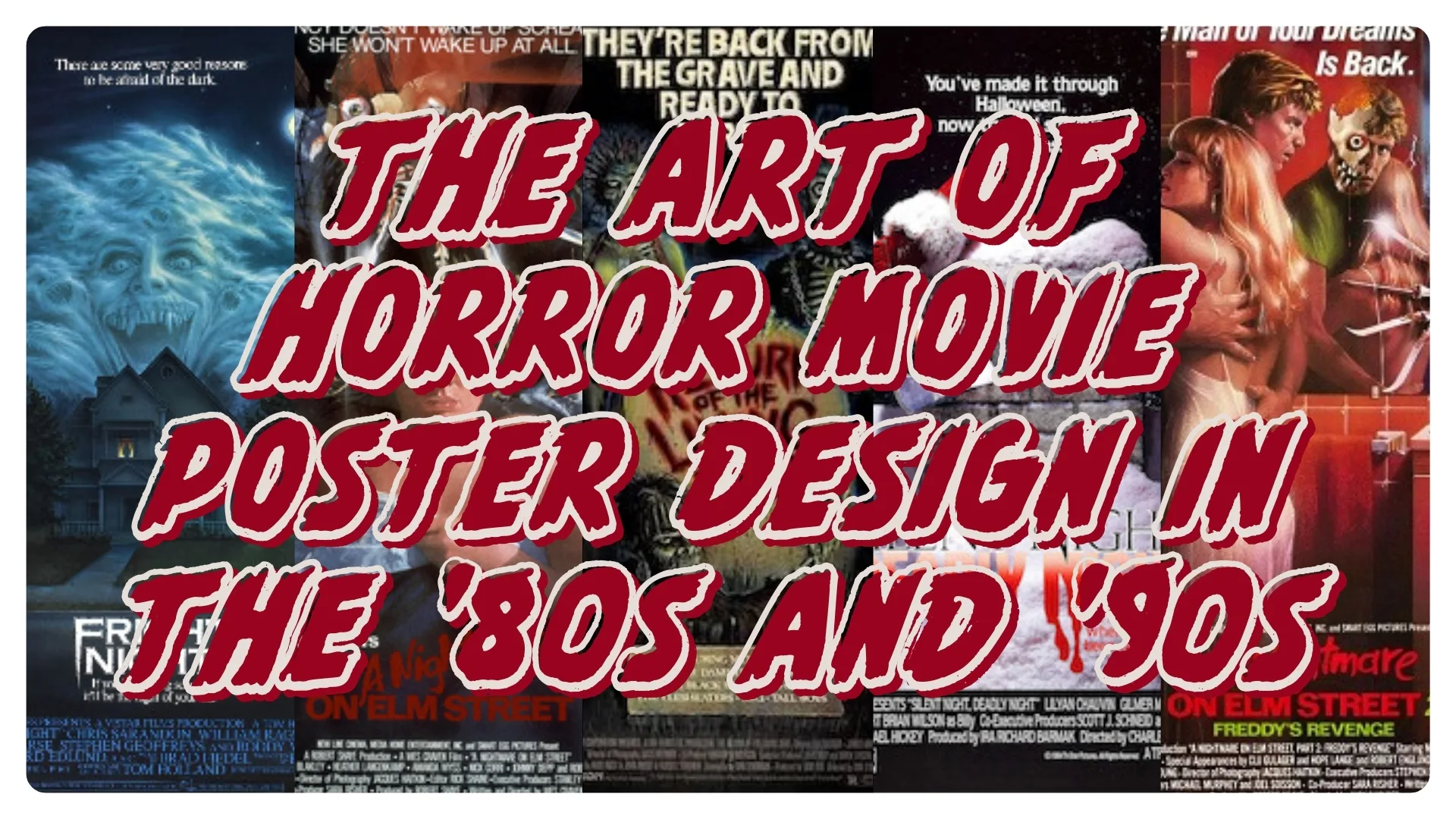
  • The Art of Horror Movie Poster Design in the ’80s and ’90s

    The Art of Horror Movie Poster Design in the ’80s and ’90s

    Before streaming thumbnails and endless scrolling, horror lived and died by its posters. One image — bold, painterly, unapologetically lurid — could stalk your imagination from the theater lobby to the video store aisle. These weren’t just ads. They were invitations to danger.

    Further reading: Physical Media Is Memory You Can Hold · The Role of Nostalgia in Horror Fandom · Start a Horror Memorabilia Collection on a Budget


    Painterly Mythmaking: The ’80s

    In the 1980s, illustration reigned. Artists like Drew Struzan and Enzo Sciotti didn’t sell plots — they sold myth. A single composition could carry a film’s entire temperature: Freddy’s blades tearing the night, Jason’s silhouette carved from moonlight, logotypes that felt like warnings. You didn’t need the movie to feel the movie.
    Related reading: Physical Media Is Memory You Can Hold

    Lobbies, Aisles, and the Ritual of Choosing

    Theaters and video stores were galleries of menace. One-sheets glowed behind glass; clamshells and sleeves echoed the same promises. You studied brushstrokes, type, and negative space like clues. Selection was ritual — a slow draw toward the title that owned your pulse. The poster did the first kill; the film finished the job.

    Artifacts With Scars

    For collectors, posters outgrew marketing. Fold lines, tack holes, sun-fade, theater stamps — every scar became provenance. Hanging one wasn’t décor; it was declaration. Like a VHS spine, a poster is a fixed point in your personal timeline — the night you first pressed play, the friend who swore they “weren’t scared,” the sleep you didn’t get.

    The ’90s Shift: Photographic Precision

    By the ’90s, horror’s face changed — literally. Out went paint; in came cool photography, glassy gradients, tight typography. Think Scream’s wide-eyed close-up or the iconic ensemble “floating heads” that lined mall multiplexes. Less painterly, more commercial — but no less formative. Those images framed a generation’s coming-of-age in widescreen anxiety.

    Two Eras, One Pulse

    Today’s collectors chase both: painted ’80s one-sheets and glossy ’90s studio campaigns. One leans mythic, the other clinical; both preserve a specific feeling of being chosen by a movie before the credits rolled. That heartbeat — memory made physical — is the same energy driving the broader physical-media rebellion.
    Related reading: The Role of Nostalgia in Horror Fandom

    Posters vs. Thumbnails

    Posters world-build; thumbnails sort. A poster gives you scale, texture, tone — a prelude you can live with on a wall. A thumbnail gives you a square. In an ecosystem engineered for speed, owning the original art (folded or rolled, scars intact) is an act of resistance against cultural decay. It says horror deserves more than a 300-pixel pitch.


    Why It Matters

    Horror’s posters make the genre legible at a glance — the mask, the blade, the scream, the font that looks like it might cut you. They’re not souvenirs; they’re a visual canon. Preserving them keeps the lineage unbroken: the myths of the ’80s, the cool menace of the ’90s, and the way both still shape what we fear now.


    Wrapping Up

    If a single poster still lives in your head — name it, and tell me why. Then, if your walls are bare, start with one piece that defined you. Hang it. Let it change the room.
    Explore next: Physical Media Is Memory You Can Hold · Start a Horror Memorabilia Collection on a Budget

  • Why Physical Media Still Matters in the Digital Age

    Why Physical Media Still Matters in the Digital Age

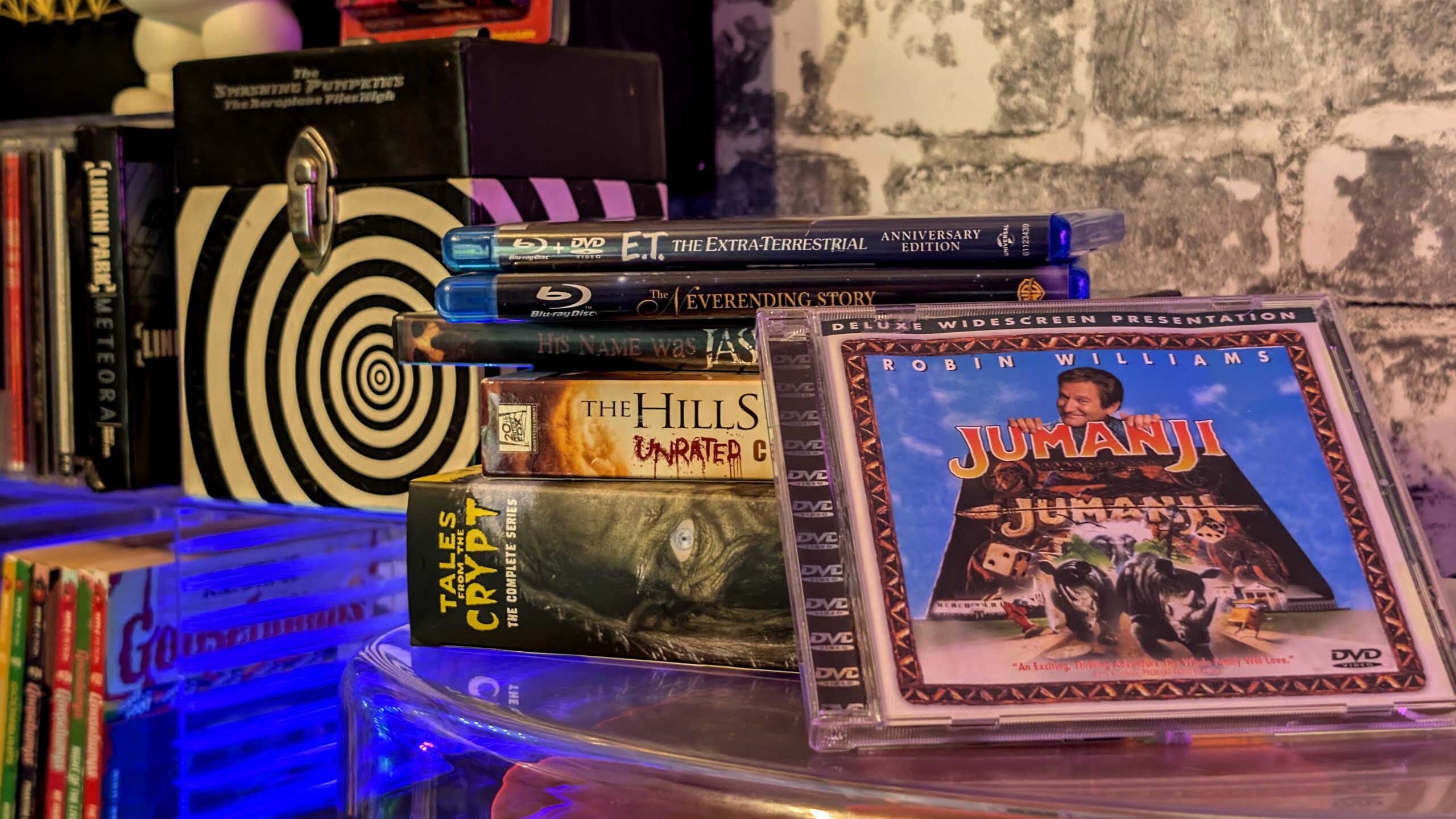
    Physical Media Is Memory You Can Hold

    In an age where everything streams and catalogs shift overnight, there’s power in holding the real thing — a disc, a tape, a sleeve meant to be lived with, not scrolled past. Physical media isn’t dead. It’s alive in the hands of collectors and archivists who refuse to let memory be reduced to bandwidth.

    Further reading: The Role of Nostalgia in Horror Fandom · The Art of Horror Movie Poster Design in the ’80s & ’90s · House of 1000 Corpses: Collector’s Guide


    Permanence Over Permission

    Streaming is a lease. Rights expire, libraries evaporate, and the films that shape us vanish behind contracts we can’t see. A VHS spine, a Blu-ray slipcover, a steelbook with alternate art — they don’t disappear when a platform decides they’re not profitable. They wait. They persist.

    Presence and Ritual

    Playback becomes ceremony. Sliding a disc into a tray, rewinding tape, flipping liner notes — small gestures that slow time and give weight to the act of watching. You don’t background-play a movie you chose to pull off the shelf. You commit to it.

    The Collector’s Impulse

    For some, it’s the hunt: misprints, limited runs, boutique restorations that streaming will never replicate. For others, it’s biography — the first rental card, the poster on the wall in ’95, the DVD worn thin in college. Formats become artifacts; artifacts become a map of who we were when we first pressed play.
    Related reading: Poster Design in the ’80s & ’90s

    Convenience Has a Cost

    Algorithms simplify choice but centralize power. When you let the machine decide what’s available, you surrender control. Physical media is refusal — a personal archive that says, “I decide what stays.”

    The Object’s Story

    Faded rental stickers, booklets tucked into trays, feature-length commentaries and behind-the-scenes docs lost to streaming — the object carries its own narrative. That narrative is part of film history, and history shouldn’t be parked on servers that can blink out overnight.

    Horror’s Shelf Life

    Horror thrives in the tactile. Grime, grain, poster grit — the ephemera that boutique labels resurrect with care. One film can live multiple lives across formats; House of 1000 Corpses is proof, multiplying through DVDs, Blu-rays, steelbooks, and that elusive VHS.
    Related reading: House of 1000 Corpses: Collector’s Guide


    Why It Matters

    Physical media protects more than movies; it protects the context that gives them meaning. Preservation isn’t nostalgia for its own sake — it’s cultural memory against cultural decay. When we build shelves, we’re not hoarding plastic. We’re maintaining access, authorship, and history on our own terms.


    Wrapping Up

    Physical media is memory you can hold — a rebellion you can touch. If this resonates, spend a night with something from your shelf. Read the booklet. Watch the commentary. Then tell me what detail you found that streaming left behind.
    Explore next: Nostalgia in Horror Fandom · Poster Design ’80s/’90s

  • The Nightmare on Elm Street 4K Collection’s Packaging Problem (And Why It Matters)

    The Nightmare on Elm Street 4K Collection’s Packaging Problem (And Why It Matters)

    Modern Horror Merchandising is Broken

    New Line Cinema’s latest A Nightmare on Elm Street 4K collection perfectly encapsulates everything frustrating about contemporary horror merchandising. It’s a release that simultaneously respects and disrespects its source material, creating a bizarre split personality that reveals how disconnected studios have become from their core audience.

    The Good News First

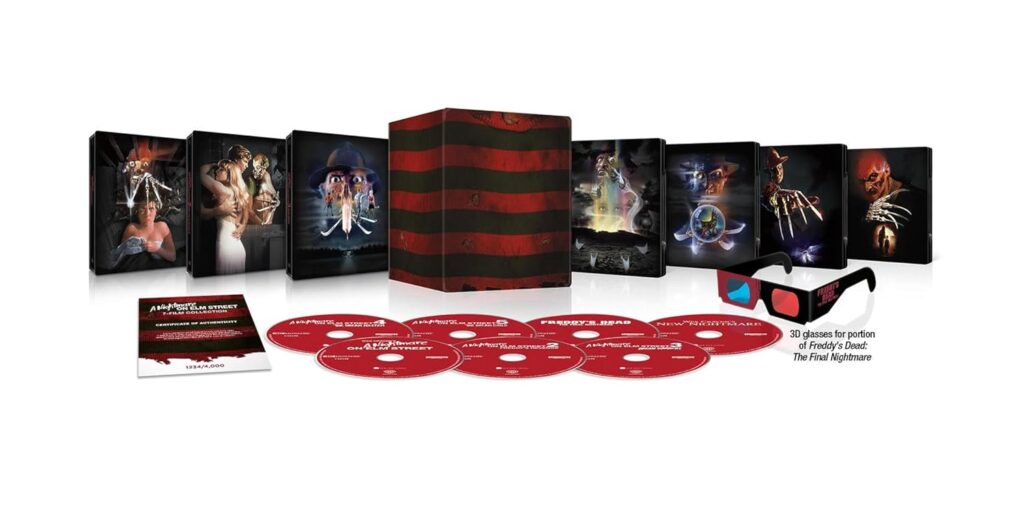
    The steelbook designs themselves are a masterclass in fan service done right. By featuring the original theatrical poster artwork, New Line demonstrates they understand what collectors actually want—authentic representations of these films’ theatrical heritage. These posters aren’t mere marketing materials; they’re pieces of horror history that shaped how millions first encountered Freddy Krueger. Seeing them properly showcased on premium packaging feels like validation for decades of fan requests.

    Where Everything Falls Apart

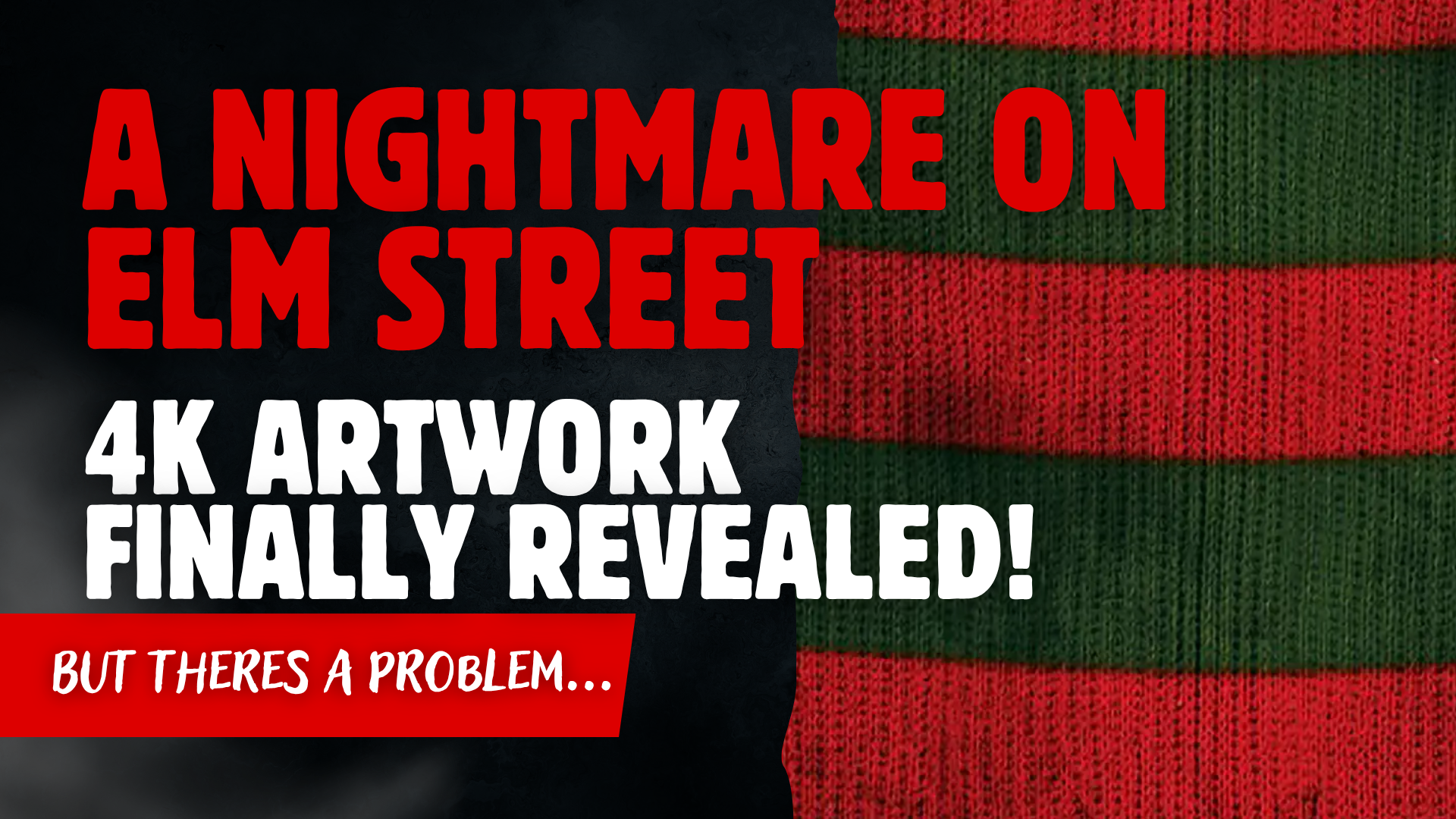
    Then you encounter the outer box, and the illusion shatters completely. Someone at New Line apparently decided that Freddy’s sweater pattern represents peak design sophistication—a choice that reveals a fundamental misunderstanding of what makes this franchise visually compelling.

    The sweater stripe approach isn’t just aesthetically weak; it’s creatively bankrupt. We’re dealing with a series renowned for boundary-pushing visual effects, surreal production design, and innovative cinematography. These films transformed everyday suburban environments into psychological battlegrounds and pioneered dream logic as narrative structure. Reducing all that visual innovation to a clothing pattern feels almost insulting to the artists who created these iconic images.

    Worse still, this design philosophy has failed repeatedly across multiple product lines. From t-shirts to phone cases to previous home video releases, the red-and-green stripe motif consistently produces merchandise that looks cheap and uninspired. It’s become the Nightmare equivalent of slapping a band logo on a black shirt and calling it design.

    Format Choices That Miss the Point

    The standard edition’s presentation philosophy proves equally problematic. Stacking multiple films into one oversized case treats the Nightmare series like a television season rather than a collection of distinct cinematic experiences. Each entry in this franchise represents a different creative team’s interpretation of the Elm Street mythology, from Wes Craven’s raw suburban paranoia to Chuck Russell’s comic book sensibilities to Renny Harlin’s MTV-influenced spectacle.

    When you package them as undifferentiated content, you’re erasing those individual creative voices in favor of brand efficiency. It’s particularly galling when combined with recycled cover art that’s remained unchanged since the Reagan administration. If you’re asking fans to repurchase content they already own, shouldn’t there be some acknowledgment that visual presentation has evolved over the past four decades?

    The Bigger Picture

    This release highlights a concerning trend in how major studios approach horror fandom. There’s an underlying assumption that genre enthusiasts are easy marks—passionate enough to buy anything, but not sophisticated enough to demand quality presentation. This couldn’t be further from reality. Horror collectors are among the most knowledgeable and demanding consumers in entertainment, with encyclopedic knowledge of different releases and sharp eyes for production value.

    Look at how boutique labels like Vinegar Syndrome or Grindhouse Releasing approach their horror catalog. These companies understand that presentation is part of the experience, that packaging design should enhance rather than diminish the films it contains. They create artwork that captures atmosphere and tone, that makes you excited to revisit familiar content or discover something new.

    What Success Looks Like

    Contrast New Line’s approach with recent releases from companies that take horror seriously. Criterion’s Mulholland Drive edition uses abstract imagery that reflects Lynch’s fractured reality. Arrow Video’s horror collections feature commissioned artwork that reinterprets classic films through contemporary artistic lenses. These releases understand that great packaging should function as an extension of the films themselves, not just a delivery mechanism.

    The difference comes down to intention versus convenience. When studios invest creative energy in presentation, they signal that these films matter as art, not just product. When they default to the most obvious visual shorthand available, they communicate that efficiency trumps artistry.

    The Real Tragedy

    What makes this particularly frustrating is how close New Line came to getting it right. The steelbooks prove they have access to talented designers who understand the franchise’s visual legacy. The 4K restorations demonstrate technical commitment to preserving these films for future generations. All the pieces existed for a genuinely special release that would satisfy both hardcore collectors and newcomers discovering these films.

    Instead, we got a product that feels half-hearted—beautiful individual components undermined by packaging choices that suggest indifference rather than celebration. It’s emblematic of an industry that’s forgotten how to properly honor its genre heritage, treating horror properties as content to be efficiently distributed rather than art to be carefully curated.

    The horror community has supported these franchises through decades of diminishing returns and questionable creative decisions. We’ve earned merchandising that matches our passion and knowledge. Until studios recognize that presentation matters as much as preservation, we’ll continue getting releases that feel more like missed opportunities than genuine celebrations of the films we love.

    You can order the Amazon Exclusive Box Set here if/when it comes back in stock – https://amzn.to/3GSAJqc (Amazon Affiliate link)


    Support the Crypt

    If you’re into physical media, horror nostalgia, and media that still breathes, you’ll want to be in The Crypt — my free newsletter for collectors, fans, and the horror-minded.

    → Enter The Crypt


    Related Posts

  • Black Christmas (2006): Why We Deserve a 4K Restoration

    Black Christmas (2006): Why We Deserve a 4K Restoration

    Some films deserve a second chance.

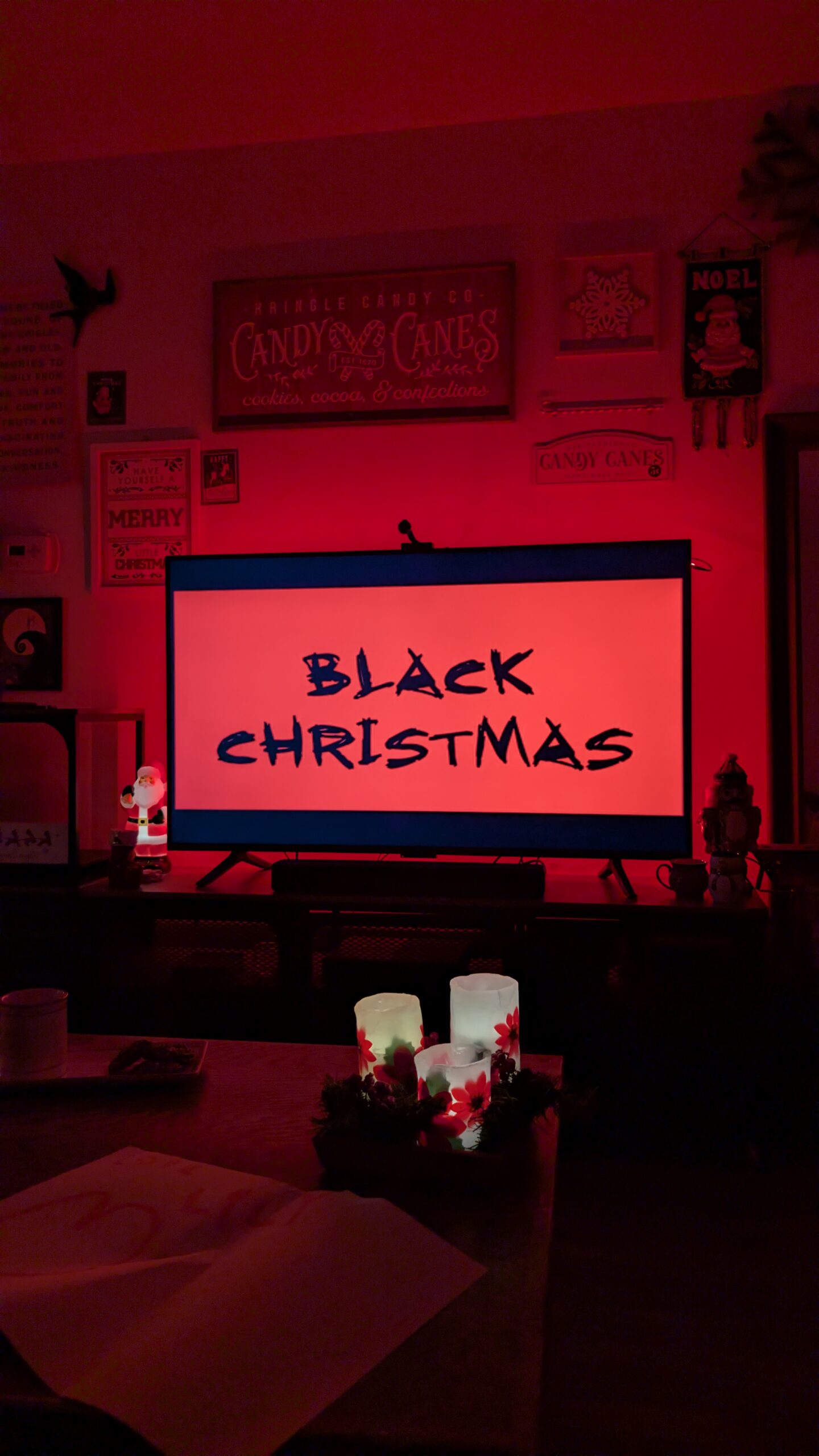
    2006’s Black Christmas isn’t just a slasher — it’s a chaotic, candy-coated fever dream of holiday horror. Critics hated it. Audiences dismissed it. But for those of us who stuck around, it became something else entirely: a seasonal tradition. It’s mean-spirited, absurd, and — in its own unhinged way — endlessly fun.

    And yet… we can’t experience it the way it was meant to be seen.


    Watch the Video


    A Message to the Studios

    To Lionsgate (who still hold the rights) and to boutique labels like Scream Factory, Arrow Video, Vinegar Syndrome, Severin — I have one thing to say: this movie deserves better.

    Right now, the only Blu-ray available is region-coded, allegedly “unlocked” but still buried overseas with no accessible edition for U.S. collectors. Most of us are still stuck with aging DVDs that don’t do this film justice.

    This isn’t just about resolution. It’s about preservation. Black Christmas (2006) is one of those films that feels destined for a critical reappraisal — and the first step is giving it a proper home video release that honors what it is: loud, grotesque, unapologetically bold holiday horror.


    Why 4K Matters for Black Christmas

    This movie thrives on excess:

    • The colors. Those saturated reds and greens deserve to burn your eyes the way they were meant to.
    • The practical effects. Say what you will about the plot, but the kills are gloriously nasty — and they’ve earned the sharpness and detail that 4K provides.
    • The energy. It’s chaotic, yes. But in a world where horror keeps being polished to death, Black Christmas (2006) feels refreshingly raw.

    A proper remaster could give this film the chance to be appreciated as the gonzo holiday nightmare it always wanted to be.


    To Fellow Collectors

    We know the value of physical media goes beyond convenience. It’s about owning history, about holding onto the strange, the misunderstood, the movies that streaming will bury and forget.

    A Black Christmas (2006) 4K restoration isn’t just about upgrading a format. It’s about cementing this movie’s place in the horror canon — flaws and all.


    Transcript Excerpt

    “I don’t care what other people say about it. I love it. I think it’s great and I think everybody should watch it… As far as I know, the only Blu-ray that exists is region locked. I want one here in the States. But I think at this point, this movie deserves a full 4K restoration.”


    Support the Crypt

    If you’re as passionate about physical media and forgotten horror as I am, join me in The Crypt — my newsletter where we talk deep cuts, collector must-haves, and the strange corners of horror history that deserve a spotlight.

    → Enter The Crypt


    Related Posts


    SEO Footer

    Black Christmas 2006 4K restoration, Black Christmas remake Blu-ray, Black Christmas 2006 collector’s edition, holiday horror remakes, physical media horror collecting, why Black Christmas needs a 4K

  • Off-Trend, On-Point: Why I Don’t Chase the Hype (and Why You Don’t Have To)

    Off-Trend, On-Point: Why I Don’t Chase the Hype (and Why You Don’t Have To)

    In a World Obsessed with Trends…

    In the world of collecting — whether it’s horror memorabilia, retro media, or vintage toys — trends move fast and loud. One week it’s a grail, the next it’s forgotten.

    But I’ve never cared much for what’s trending. I’ve never been interested in building a collection that looks like someone else’s wishlist.

    What I collect… means something.
    It’s stitched into memory.
    It’s wired into the circuits of who I am.

    And if that puts me off-trend?
    So be it.

    Because what I do is on-point — for me, and maybe for you too.

    Why It Matters What (and How) You Collect

    There’s a pressure, especially in digital spaces, to chase what’s hot — to grab the limited drop, the vaulted figure, the variant cover. The kind of collecting that feels like a sprint you never asked to run.

    But collecting can be something else entirely.
    It can be slow. Intimate. Defiant.
    It can be personal without needing permission.

    I don’t collect because something’s valuable.
    I collect because something once made me feel seen — and I want to feel that again.

    Off-Trend Isn’t the Same as Out-of-Touch

    I see what’s trending.
    I see the neon-slick Instagram reels and TikToks built to go viral.
    I know what gets clicks.

    But there’s a difference between being aware of the game…
    and choosing not to play by its rules.

    I’m not off-trend because I don’t understand the trends — I’m off-trend because I understand them too well.
    And I know they’re not built for people like me.

    Give me a dusty VHS tape with a rental sticker still clinging for dear life.
    Give me a beat-up toy I couldn’t afford when I was 9.

    That’s where the magic is.
    That’s where the stories live.

    Nostalgia Over Novelty

    Hype fades.
    But nostalgia?
    That runs deep.

    It’s the muscle memory of your soul.

    I’m not chasing the newest thing — I’m chasing that feeling I got the first time I saw Freddy’s glove flash across the screen, or walked the aisles of a mom-and-pop video store lit only by CRT glow.

    I don’t want things that are “valuable.”
    I want things that feel true.

    Build Your Own Blueprint

    If you’re reading this, maybe you feel the same.

    Maybe your shelf isn’t full of Funko Pops and slabbed comics, but of things that remind you of late-night marathons, childhood bedrooms, or that one summer where everything felt just right.

    That’s the heart of collecting for people like us.

    It’s not about completing a set.
    It’s about completing a part of yourself.

    There’s power in saying:
    “No thanks — I’m doing it my way.”

    Because that’s what real collecting looks like.
    Not trend-chasing.
    But truth-tracking.

    Off-Trend. On-Point. Always.

    So yeah, I’m off-trend. And proudly so.

    I built Broke Boogeyman as a space where the forgotten gets remembered, where the strange gets spotlighted, and where collectors don’t need to justify their shelves to anyone.

    If that resonates with you, you’re in the right crypt.

    Stick around.
    We’re just getting started.

    And no algorithms or trends are steering this hearse — I am.